
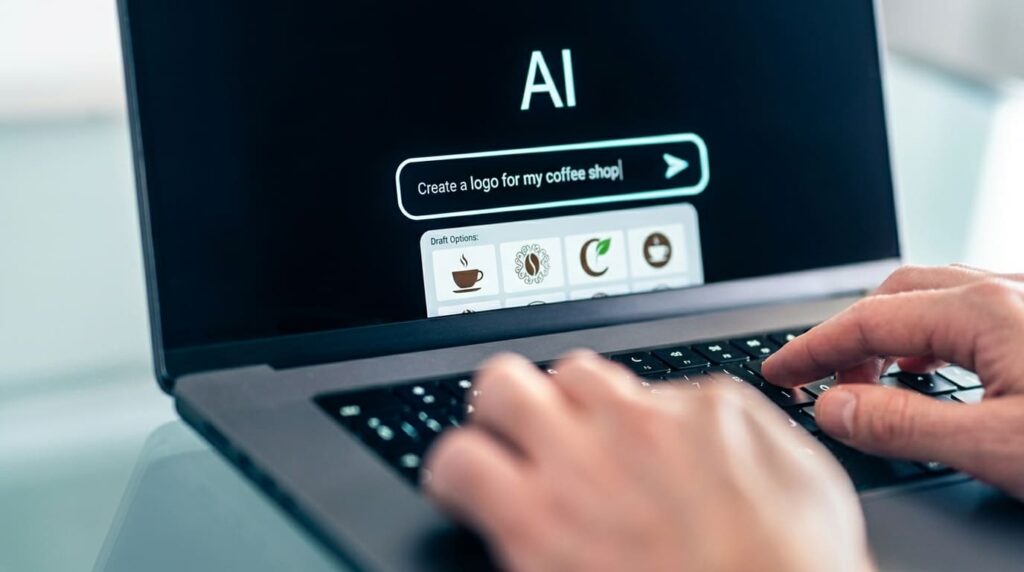

Artificial Intelligence (AI) is no longer something we only imagined in movies—it’s already part of our daily work life. From helping us write emails to analyzing complex data in seconds, AI is quietly transforming how we work, hire, and grow in our careers.
Big tech companies like OpenAI, Google, and Microsoft are investing heavily in AI, pushing innovation forward and changing entire industries along the way.
In simple terms, the future of work is no longer just human—it’s human + AI.
What Is AI and Why Is It Important at Work?
Artificial Intelligence refers to software and machines that can think, learn, and make decisions—almost like humans. Tools such as ChatGPT and Google Gemini are great examples. They can write content, answer questions, and even help solve problems in real time.
So why does AI matter so much in the workplace?
Because it saves time, reduces mistakes, and helps businesses grow faster. Tasks that used to take hours—like writing reports or analyzing data—can now be done in minutes. This allows people to focus on more important and creative work.
How AI Is Changing Jobs
1. Taking Over Repetitive Tasks
AI is excellent at handling boring, repetitive work like data entry, scheduling, and answering common customer questions.
For example, chatbots can respond to thousands of customers at once, something that would be impossible for humans alone. This doesn’t just save time—it also reduces stress for employees.
2. Creating New Career Opportunities
While some jobs are being replaced, many new ones are also being created.
Today, companies are hiring:
- AI specialists
- Data analysts
- Machine learning engineers
- Prompt engineers
The biggest change? Employers now want people who know how to use AI tools effectively, not just do tasks manually.
3. Making Work Faster and Smarter
AI helps professionals make better decisions quickly. It can study huge amounts of data and give useful insights in seconds.
For example:
- Marketers use AI to target the right audience
- Writers use AI to generate ideas and content
- Developers use AI to write and fix code
Instead of replacing humans, AI is making them more productive.
Industries Being Transformed by AI
🔹 Technology
The tech world is leading the AI revolution. Companies like Nvidia are building powerful chips that make AI faster and smarter.
🔹 Healthcare
AI is helping doctors detect diseases earlier and treat patients more effectively. It can read medical reports, analyze scans, and even assist during surgeries.
🔹 Finance
Banks are using AI to detect fraud, manage risks, and automate financial processes. This makes transactions safer and faster.
🔹 Education
AI is changing how students learn. Personalized learning tools help students understand topics at their own pace, making education more effective.
Benefits of AI in the Workplace
AI is bringing many advantages, such as:
✔ Faster work and higher productivity
✔ Lower costs for businesses
✔ Smarter decision-making
✔ Better customer service
✔ More innovation and growth
Today, AI is not just a tool—it’s like a smart assistant that works alongside you.
Challenges We Can’t Ignore
Even though AI is powerful, it also comes with some concerns.
⚠ Job Loss in Some Areas
Repetitive jobs are at risk of being replaced by automation. This can be challenging for workers who don’t adapt.
⚠ Skills Gap
Not everyone knows how to use AI yet. This creates a gap between skilled and unskilled workers.
⚠ Ethical and Privacy Issues
AI systems can sometimes be biased or misuse data. That’s why companies need to use AI responsibly.
How You Can Prepare for the Future
The good news? You don’t need to be a tech expert to stay relevant.
🔹 Learn Important Skills
Focus on skills that AI cannot easily replace:
- Critical thinking
- Creativity
- Communication
- Problem-solving
🔹 Start Using AI Tools
Instead of being afraid of AI, learn how to use it. Tools like ChatGPT can help you work faster and smarter.
🔹 Keep Learning
The world is changing quickly. Online courses, tutorials, and self-learning can help you stay ahead.
The Future: Humans and AI Working Together
The future is not about humans competing with AI—it’s about collaboration.
AI will handle repetitive and technical tasks, while humans will focus on creativity, emotions, and strategy. This combination is what will drive success in the coming years.
Conclusion
AI is transforming the way we work, and this change is only going to grow stronger. While it may feel challenging at first, it also brings exciting opportunities for those who are ready to adapt.
By learning new skills and embracing AI tools, you can not only survive but thrive in this new era.
The future of work isn’t coming—it’s already here. And it’s powered by AI.