
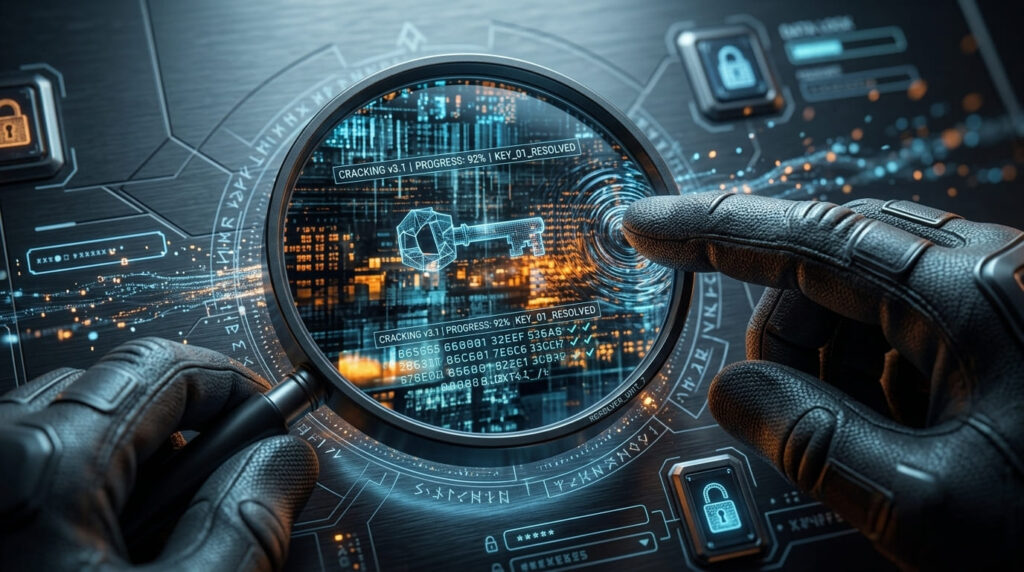

Artificial intelligence is no longer something we only saw in movies or imagined about the future—it’s already here, quietly shaping the way we live, work, and interact every day. In just a few years, AI has evolved from a niche technology into one of the most powerful forces driving global change.
From healthcare and finance to education and entertainment, AI is influencing almost every industry. Behind this rapid progress are major tech giants like OpenAI, Google, Microsoft, Nvidia, Anthropic, and Meta Platforms—all competing to lead the next wave of innovation.
But beyond the headlines and big investments, AI is doing something much deeper: it’s changing how the world functions.
AI Is Already Part of Your Daily Life
You might not always notice it, but artificial intelligence is already woven into your everyday routine. Whether you’re using voice assistants, scrolling through social media, shopping online, or watching videos, AI is working behind the scenes.
Recommendation systems suggest what to watch next. Smart assistants answer your questions. Even your phone’s camera uses AI to improve photos instantly.
What makes modern AI different is its ability to perform tasks that once required human thinking—like writing, translating languages, analyzing data, or even generating images. Businesses are now relying heavily on these tools to save time, reduce costs, and make smarter decisions.
And the reason AI has improved so quickly comes down to three things:
- Huge amounts of data
- Powerful computing systems
- Advanced machine learning models
Together, these have made AI faster, smarter, and more useful than ever before.
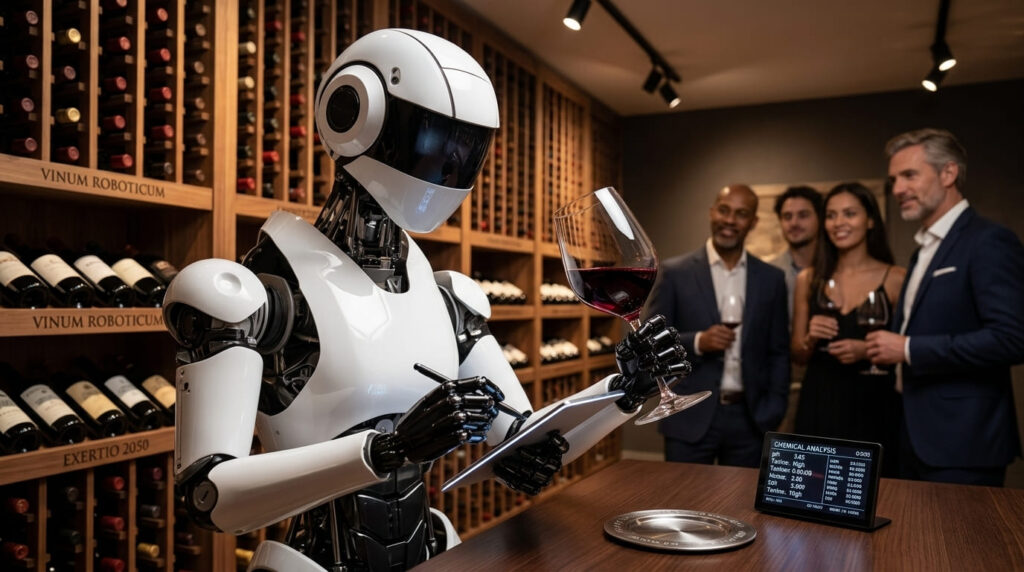
The Race Between Tech Giants
The competition to dominate AI is intense—and it’s moving fast.
OpenAI has become one of the most recognized names in AI, especially for its advanced language models that can write, code, and communicate in a very human-like way.
At the same time, Microsoft is integrating AI into its software and cloud platforms, making tools like document creation, data analysis, and automation much more powerful.
Google, with its deep roots in AI research, continues to push innovation across search, translation, and smart assistants.
Meanwhile, Anthropic is focusing on building AI systems that are not only powerful but also safer and more aligned with human values.
This competition is actually a good thing—it’s speeding up innovation and bringing better AI tools to users faster than ever.
The Hidden Hero: AI Hardware
While software gets most of the attention, none of this would be possible without the right hardware.
That’s where Nvidia comes in. The company produces GPUs (graphics processing units) that power most of today’s AI systems. These chips handle massive amounts of data and complex calculations needed to train AI models.
As AI demand grows, companies are building huge data centers filled with thousands of these chips. This massive infrastructure is what makes advanced AI tools possible.
In simple terms: without powerful hardware, AI wouldn’t exist at this level.
How AI Is Changing Different Industries
Artificial intelligence isn’t limited to tech companies—it’s transforming entire industries.
Healthcare
AI is helping doctors detect diseases earlier, analyze medical images, and even speed up drug discovery. This could mean faster diagnoses and better treatments for patients.
Finance
Banks and financial companies are using AI to detect fraud, manage risks, and automate customer service. Transactions that once took hours can now be analyzed in seconds.
Education
AI-powered learning tools are making education more personalized. Students can now learn at their own pace with customized lessons and instant feedback.
Entertainment & Media
Content creation is changing fast. AI tools can now help write scripts, edit videos, design graphics, and even create music. This is opening new doors for creativity—but also raising questions about originality.
The Rise of AI Agents
One of the most exciting trends right now is the emergence of AI agents.
These are systems that don’t just assist—they act. They can complete tasks on their own, like researching information, writing reports, or managing workflows.
Imagine having a digital assistant that doesn’t just respond to commands but actually completes entire tasks for you. That’s where AI is heading.
In the future, these agents could become a major part of the workforce, helping businesses run more efficiently.
What About Jobs?
Whenever new technology appears, one big question comes up: Will it take away jobs?
AI is definitely changing the job market. Tasks that are repetitive—like data entry, basic writing, or customer support—are increasingly being automated.
But it’s not all bad news.
New roles are also being created in areas like:
- AI development
- Data science
- Cybersecurity
- Tech infrastructure
The real shift is this: instead of replacing humans completely, AI is changing how people work. Those who learn to use AI tools effectively will have a strong advantage.
Ethical Concerns and Challenges
As powerful as AI is, it also comes with serious concerns.
Some of the biggest challenges include:
- Misinformation created by AI
- Data privacy issues
- Biased algorithms
- Lack of transparency in decision-making
Companies like OpenAI and Anthropic are actively researching how to make AI safer and more reliable.
Governments are also starting to introduce regulations to ensure AI is used responsibly. But this is still a work in progress.
What the Future Looks Like
The future of AI is both exciting and uncertain.
In the coming years, AI could:
- Help solve complex scientific problems
- Improve healthcare and medicine
- Make businesses more efficient
- Enhance everyday life through smarter tools
At the same time, managing its risks will be just as important as developing its capabilities.
The key will be balance—using AI to benefit society while keeping it safe and ethical.
Final Thoughts
Artificial intelligence is no longer just a technological trend—it’s becoming the foundation of the modern world.
With companies like Google, Microsoft, and Nvidia pushing innovation forward, AI is evolving faster than ever.
It’s changing how we work, learn, create, and communicate.
And while challenges remain, one thing is clear:
👉 AI is not the future—it’s the present, and it’s only getting more powerful.