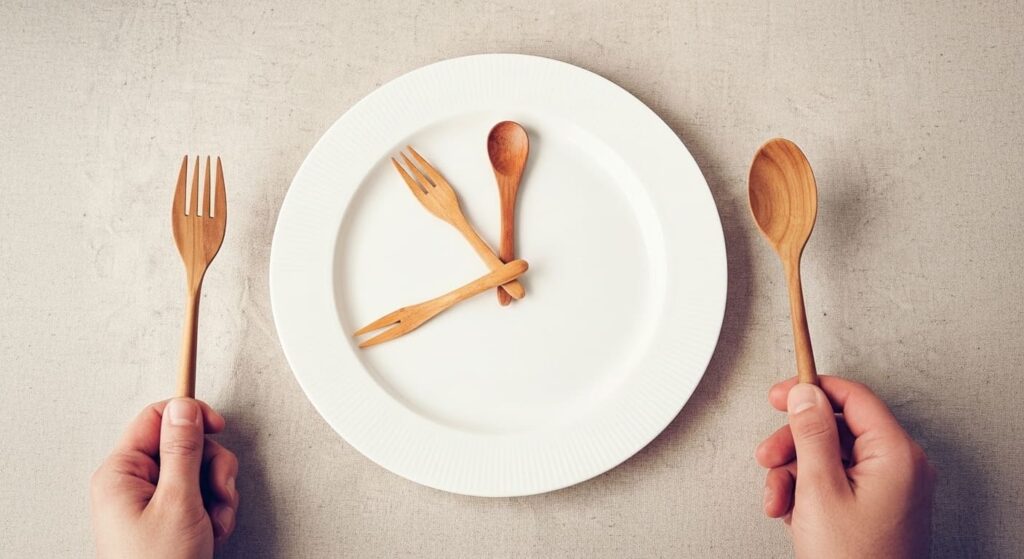

Intermittent fasting (IF) is one of the most popular nutrition strategies for weight loss, metabolic health, and improved energy levels. Instead of focusing only on what you eat, intermittent fasting focuses on when you eat.
However, many beginners struggle because they don’t know what foods support fasting and which ones break its benefits. Choosing the right foods during your eating window is essential for maintaining energy, controlling hunger, and achieving long-term results.
This guide explains what to eat and what to avoid while doing intermittent fasting, along with practical tips to maximize results.
What Is Intermittent Fasting?
Intermittent fasting is an eating pattern that cycles between periods of eating and fasting. During fasting hours, you consume no calories, allowing your body to use stored fat for energy.
Common fasting schedules include:
- 16:8 Method – Fast for 16 hours, eat during an 8-hour window
- 14:10 Method – Fast 14 hours, eat within 10 hours
- 5:2 Method – Eat normally 5 days, restrict calories on 2 days
During the fasting period, the body shifts into fat-burning mode, improves insulin sensitivity, and may support cellular repair.
What to Eat During Intermittent Fasting
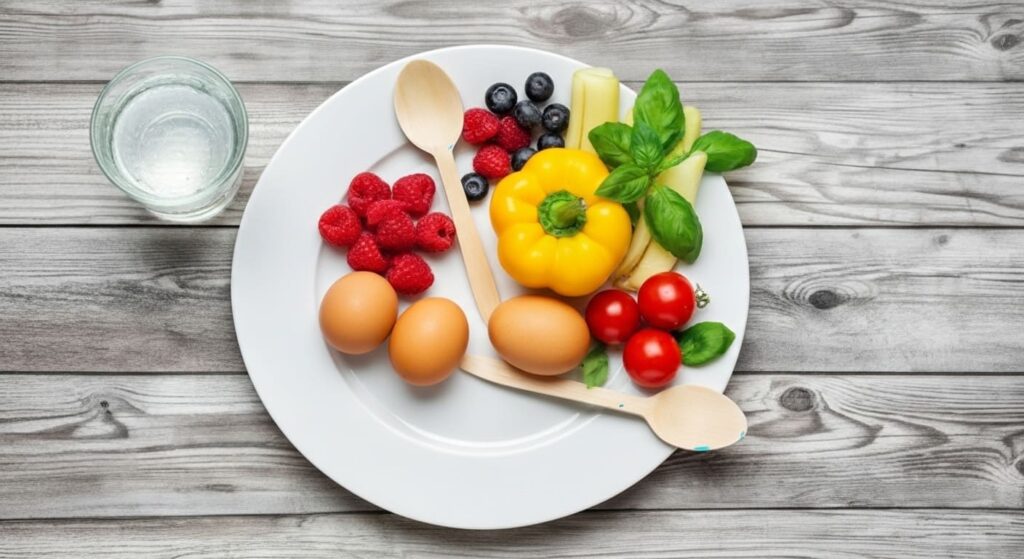
During the eating window, focus on nutrient-dense foods that provide protein, fiber, healthy fats, and slow-digesting carbohydrates.
1. Lean Protein Foods
Protein helps maintain muscle mass and keeps you full for longer.
Best options:
- Chicken breast
- Eggs
- Fish (salmon, tuna, sardines)
- Greek yogurt
- Tofu and tempeh
- Lentils and beans
Benefits:
- Reduces hunger
- Supports muscle growth
- Stabilizes blood sugar
2. High-Fiber Vegetables
Vegetables are low in calories but rich in vitamins, minerals, and fiber, making them perfect for intermittent fasting.
Recommended vegetables:
- Spinach
- Broccoli
- Kale
- Cauliflower
- Zucchini
- Bell peppers
- Cucumbers
Fiber improves digestion and helps you feel satisfied during fasting hours.
3. Healthy Fats
Healthy fats provide long-lasting energy and support hormone balance.
Good sources:
- Avocados
- Olive oil
- Nuts (almonds, walnuts)
- Seeds (chia, flaxseed, pumpkin seeds)
- Fatty fish
These fats help control hunger and prevent overeating during the eating window.
4. Whole Grains and Complex Carbohydrates
Carbohydrates are important for energy, especially if you exercise.
Best complex carbs:
- Oats
- Brown rice
- Quinoa
- Whole-grain bread
- Sweet potatoes
These foods digest slowly and prevent sudden blood sugar spikes.
5. Fruits (In Moderation)
Fruits provide natural sugars, antioxidants, and vitamins.
Healthy choices include:
- Berries
- Apples
- Oranges
- Bananas
- Pomegranates
Eating fruits with protein or healthy fats can help stabilize blood sugar.
What You Can Drink While Fasting
During fasting hours, only calorie-free drinks are allowed.
Safe fasting drinks include:
- Water
- Sparkling water
- Black coffee
- Green tea
- Herbal tea
These beverages help reduce hunger and keep you hydrated.
What to Avoid During Intermittent Fasting
Some foods can spike blood sugar, increase hunger, and reduce fasting benefits.
1. Sugary Foods and Drinks
High sugar foods quickly raise insulin levels.
Avoid:
- Soda and soft drinks
- Candy
- Cakes and pastries
- Sweetened juices
- Energy drinks
2. Refined Carbohydrates
Refined carbs digest quickly and cause energy crashes and hunger.
Limit:
- White bread
- White pasta
- White rice
- Packaged snacks
3. Ultra-Processed Foods
Highly processed foods contain excess salt, sugar, and unhealthy fats.
Examples:
- Fast food
- Frozen fried meals
- Packaged chips
- Processed meats
These foods may slow metabolism and increase calorie intake.
4. Excess Alcohol
Alcohol contains empty calories and may disrupt fasting results.
Possible effects:
- Increased hunger
- Poor sleep quality
- Reduced fat burning
Moderation is important if alcohol is consumed.
Best Meal Ideas for Intermittent Fasting
Balanced meals help you stay satisfied longer.
Example Meal 1
Grilled chicken + quinoa + steamed broccoli + avocado slices
Example Meal 2
Omelet with spinach and mushrooms + whole-grain toast
Example Meal 3
Salmon salad with olive oil dressing + mixed vegetables
Example Snack
Greek yogurt with berries and chia seeds
Tips for Successful Intermittent Fasting
Stay Hydrated
Drink plenty of water to reduce hunger during fasting hours.
Break Your Fast Gently
Start with protein and healthy fats rather than heavy sugary meals.
Avoid Overeating
Fasting does not mean unlimited calories during eating windows.
Prioritize Sleep
Good sleep helps regulate hunger hormones.
Be Consistent
Results improve when intermittent fasting becomes a long-term routine.
Potential Benefits of Intermittent Fasting
Research suggests intermittent fasting may help:
- Support weight loss
- Improve insulin sensitivity
- Reduce inflammation
- Enhance metabolic health
- Support brain function
However, results depend on diet quality and lifestyle habits.
Who Should Avoid Intermittent Fasting?
Intermittent fasting may not be suitable for:
- Pregnant or breastfeeding women
- People with eating disorders
- Individuals with certain medical conditions
- People taking specific medications
Consult a healthcare professional before starting a fasting routine.
Conclusion
Intermittent fasting can be an effective strategy for weight management and overall health, but success depends largely on food choices during the eating window.
Focus on lean proteins, vegetables, healthy fats, and whole grains, while avoiding sugary drinks, refined carbs, and ultra-processed foods. With balanced meals, hydration, and consistency, intermittent fasting can become a sustainable lifestyle approach.