


Did you know that some of the most common food ingredients can quietly weaken your immune system? Your immune system is your body’s first line of defense against harmful invaders such as viruses, bacteria, and other pathogens—and what you eat plays a major role in how well it functions.
This complex network of cells, tissues, and organs works nonstop to protect your health. However, poor dietary choices can slow it down, leaving you more vulnerable to illness and infection.
To help you make smarter food decisions, here are the top five worst food ingredients for immune system health—and what to choose instead.

1. Refined Sugars
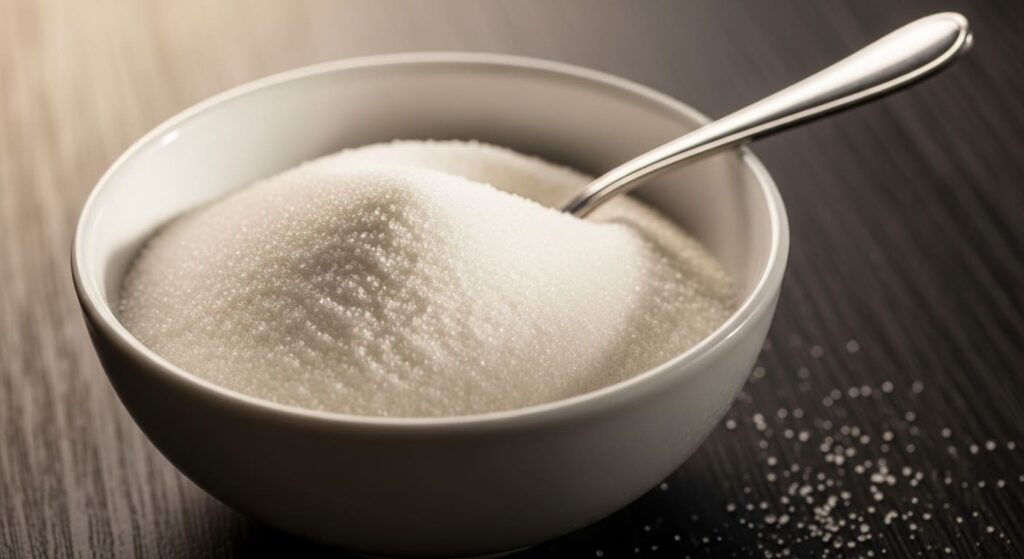
Refined sugars are highly processed sweeteners stripped of their natural nutrients and minerals. They are widely used in processed foods to enhance flavor and extend shelf life.
Common sources of refined sugars include:
- White sugar
- Brown sugar
- Corn syrup
- High-fructose corn syrup
You’ll often find them in sodas, candies, pastries, and packaged snacks.
How Refined Sugars Harm Your Immune System
Excess sugar intake promotes inflammation in the body, making it harder for your immune system to fight infections. High sugar consumption can also reduce the effectiveness of white blood cells, which are essential for defending against pathogens.
Over time, refined sugars contribute to weight gain, obesity, and type 2 diabetes—conditions that significantly weaken immune function.
Do This Instead:
Choose natural sweeteners in moderation, such as raw honey, maple syrup, or stevia, to satisfy your sweet cravings without overwhelming your immune system.
2. Trans Fats
Trans fats are artificial fats created through a process called hydrogenation, which turns liquid vegetable oils into solid fats.
They are commonly found in:
- Margarine
- Packaged snacks
- Baked goods
- Fried and fast foods
Trans fats are often used to improve texture and extend shelf life—but they come at a serious cost to your health.

How Trans Fats Harm Your Immune System
Trans fats increase inflammation throughout the body, making it more difficult for your immune system to respond effectively. They also contribute to plaque buildup in the arteries, increasing the risk of heart disease—a condition closely linked to weakened immunity.
Do This Instead:
Replace trans fats with healthy fats from foods like salmon, nuts, seeds, nut butters, avocados, olive oil, and coconut oil.

3. Artificial Sweeteners
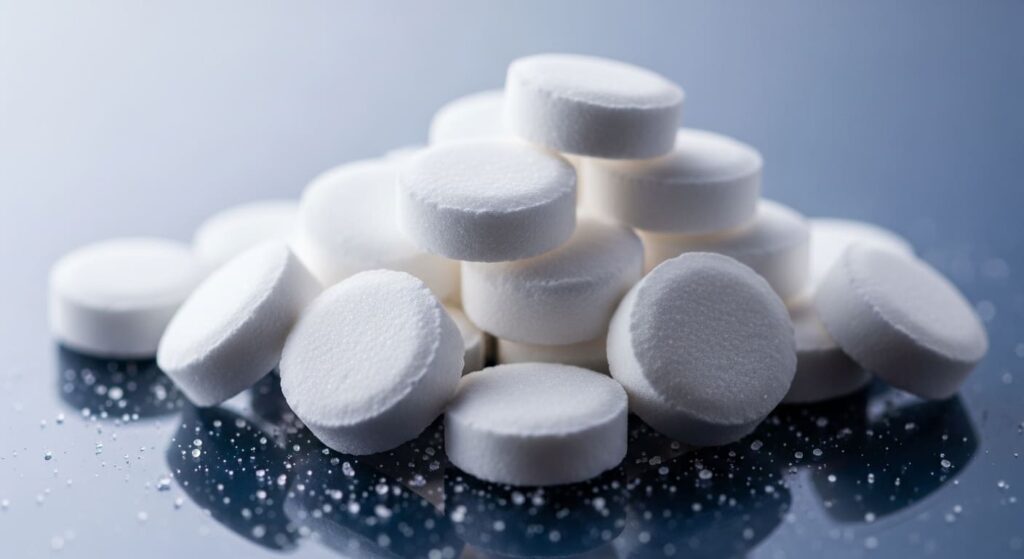
Artificial sweeteners are synthetic sugar substitutes designed to provide sweetness without calories. They are commonly marketed as “diet” or “sugar-free” options.
Popular artificial sweeteners include:
- Aspartame
- Sucralose
- Saccharin
They are often found in diet sodas, sugar-free gum, and low-calorie packaged foods.
How Artificial Sweeteners Harm Your Immune System
Despite their calorie-free appeal, artificial sweeteners may disrupt the balance of gut bacteria. Since a large portion of your immune system resides in the gut, this imbalance can negatively affect immune response.
Some studies also suggest artificial sweeteners may increase inflammation and contribute to insulin resistance—both of which weaken immune defenses.
Do This Instead:
Opt for natural alternatives like stevia, raw honey, or maple syrup, and focus on reducing overall sweetness in your diet.
4. Processed Meats
Processed meats are animal products preserved through smoking, curing, salting, or the use of chemical additives.
Examples include:
- Hot dogs
- Sausages
- Bacon
- Deli meats
- Canned meats
These foods are typically high in sodium, unhealthy fats, and preservatives.

How Processed Meats Harm Your Immune System
High sodium levels promote inflammation and raise blood pressure, both of which can impair immune function. Many processed meats also contain nitrates and nitrites, which are associated with increased inflammation and a higher risk of chronic disease.
Additionally, the saturated fat content in processed meats can contribute to obesity and metabolic issues, further weakening immune health.
Do This Instead:
Choose fresh, unprocessed proteins such as chicken, turkey, fish, or lean cuts of beef and pork. Grill, bake, or roast them to keep added fats to a minimum.
Final Thoughts
Your immune system depends heavily on the quality of the foods you eat. By limiting refined sugars, trans fats, artificial sweeteners, and processed meats—and replacing them with whole, nutrient-dense alternatives—you can give your body the support it needs to stay strong and resilient.
Small dietary changes today can make a powerful difference in your long-term immune health.
5. Excessive Refined Carbohydrates
Refined carbohydrates are found in foods made from white flour, like white bread, pastries, crackers, and many packaged snacks. Unlike whole grains, these carbs are stripped of fiber, vitamins, and minerals during processing.
How Refined Carbs Affect Immunity
- Blood sugar spikes: Eating refined carbs can cause rapid rises in blood sugar, which temporarily impairs white blood cell function.
- Inflammation: High intake can promote chronic inflammation, which weakens immune defenses.
- Gut health: Many refined carbs feed harmful gut bacteria rather than beneficial ones, disrupting gut microbiome balance—a key player in immunity.
Do This Instead:
Switch to whole grains like oats, quinoa, barley, or brown rice. These foods release energy slowly and support both your gut and immune system.
6. Ultra-Processed Foods
Ultra-processed foods are highly engineered products often containing additives, artificial flavors, preservatives, and colors. Examples include packaged snacks, instant noodles, frozen meals, and sugary cereals.
How Ultra-Processed Foods Weaken Immunity
- Nutrient poor: They provide calories but little to no vitamins, minerals, or antioxidants necessary for immune health.
- High in harmful ingredients: Many contain a combination of refined sugars, trans fats, and additives that trigger inflammation.
- Obesity risk: Regular consumption is linked to obesity and metabolic disorders, which further compromise immune defenses.
Do This Instead:
Focus on minimally processed, whole foods like fruits, vegetables, nuts, seeds, legumes, and fresh lean proteins. Preparing meals at home allows you to control ingredients and boost immune-supporting nutrients.
7. Excess Alcohol
While not technically a food ingredient, alcohol is often consumed with meals and has a significant impact on immunity.
How Alcohol Affects Your Immune System
- Immune suppression: Excessive alcohol can reduce the activity of white blood cells and impair the production of antibodies.
- Gut barrier disruption: Alcohol can irritate the gut lining, leading to a weakened gut-immune connection.
- Nutrient depletion: Heavy drinking depletes vitamins and minerals like vitamin C, zinc, and B vitamins that are critical for immune function.
Do This Instead:
If you drink, do so in moderation. Opt for alcohol-free beverages like sparkling water with citrus, herbal teas, or kombucha, which may even support gut health.
8. High-Sodium Foods
Excess sodium comes from packaged foods, processed snacks, canned soups, and salty condiments.
How Sodium Harms Immunity
- Inflammation: Too much sodium can trigger systemic inflammation, weakening immune responses.
- Blood pressure: High-sodium diets contribute to hypertension, which is linked to reduced immune efficiency.
Do This Instead:
Flavor foods with herbs, spices, lemon, or garlic instead of salt. Cooking at home helps you monitor sodium intake and maintain a healthier immune system.
Bonus Tips to Support Your Immune System Through Diet
- Load up on colorful fruits and vegetables: Rich in antioxidants and vitamins A, C, and E, they help combat free radicals and support immune cells.
- Include fermented foods: Yogurt, kefir, kimchi, and sauerkraut help maintain gut microbiome health.
- Don’t skip healthy fats: Omega-3 fatty acids from fish, flaxseeds, and walnuts reduce inflammation.
- Stay hydrated: Water helps circulate nutrients and flush out toxins, supporting overall immunity.
- Balance your plate: Include a mix of protein, fiber, healthy fats, and complex carbs at every meal.