


Meal prep doesn’t have to be complicated or boring. When you focus on fresh, seasonal ingredients, preparing meals ahead of time becomes easier, more affordable, and far more enjoyable. Seasonal produce is at its peak in flavor and nutrition, making your meals taste better while reducing the need for heavy sauces or extra seasoning.
Start by planning a flexible menu built around what’s in season. Think roasted vegetables, hearty grains, lean proteins, and simple sauces that can be mixed and matched throughout the week. Prepping ingredients rather than fully assembled meals—like chopped vegetables, cooked grains, and marinated proteins—gives you variety without extra effort.
The key to successful meal prep is balance. Choose recipes that store well, reheat beautifully, and still taste fresh days later. Keep portions realistic, label your containers, and leave room for spontaneity so meals never feel repetitive.
With a little planning, meal prep becomes a time-saving habit that keeps you eating well, reduces food waste, and takes the stress out of busy weekdays—leaving you with fresh, seasonal meals that are always ready to go.
Think vibrant greens, juicy fruits, and comforting, earthy flavors—this is the season to enjoy foods that nourish and energize. Our bodies crave immunity-boosting, light yet satisfying meals, all while keeping food hygiene in mind.
If you’re balancing work, workouts, and wellness, meal prepping can feel like a challenge—but that’s exactly when it becomes most important. The right prep saves time, keeps unhealthy snacking at bay, and ensures your body gets the fuel it needs—especially if you’re hitting the gym regularly.
That’s why we’ve put together a simple, practical meal prep guide designed for anyone juggling work, home, travel, and life’s busy rhythm.
But before we dive into the recipes and prep tips, let’s take a moment to appreciate the seasonal produce around us—fresh fruits, vibrant vegetables, and more. Ready? Let’s get started!
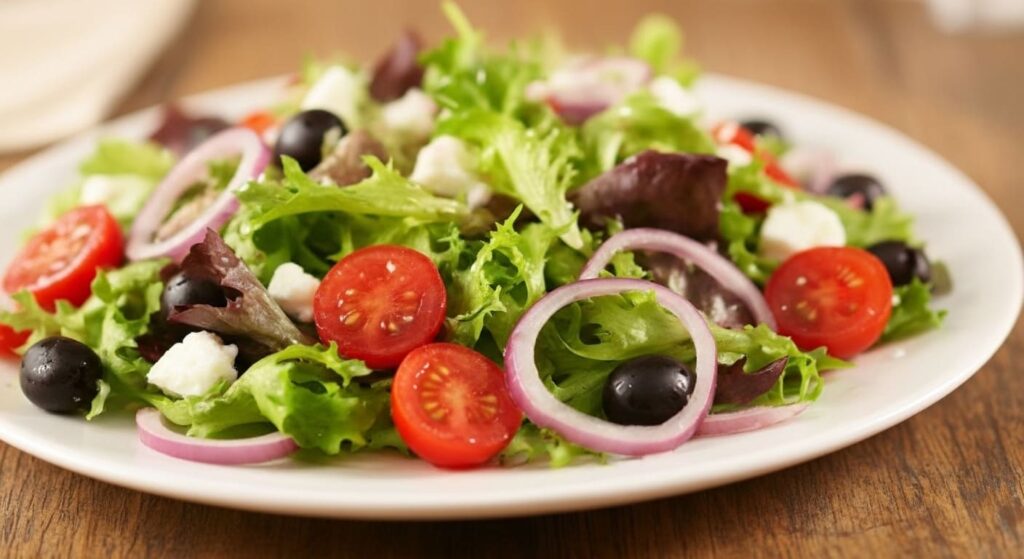
Seasonal produce: nature’s monsoon gift.
This is the season when local markets are brimming with fresh, nutritious produce—think bottle gourd, ridge gourd, pumpkin, spinach, corn, and turmeric-rich root vegetables. Seasonal fruits like jamun, pear, papaya, and pomegranate are packed with antioxidants that help strengthen immunity, especially during damp or changeable weather. Planning your meals around these ingredients not only keeps them fresh and flavorful but also naturally supports your health.
Before we jump into recipes and meal ideas, let’s go over some key steps to keep in mind for effective meal prepping.
Meal Prep: Essential Steps to Remember
Meal prepping doesn’t have to be complicated. By following a few simple steps, you can save time, eat healthier, and enjoy stress-free meals throughout the week.
1. Plan Your Menu
Start with a flexible weekly plan. Include a mix of proteins, grains, vegetables, and fruits, ideally seasonal and fresh. Think about meals that can be repurposed—like roasted vegetables or grilled chicken that work for both lunch and dinner.
2. Shop Smart
Make a grocery list based on your menu and stick to it. Focus on seasonal produce, pantry staples, and proteins that store well. This keeps shopping efficient and reduces food waste.
3. Prep Ingredients in Advance
Wash, chop, and portion vegetables. Cook grains and proteins ahead of time. Marinate meats or tofu so flavors develop while saving time on busy days.
4. Use the Right Storage
Invest in quality containers—airtight glass or BPA-free plastic—to keep meals fresh. Label them with the date and contents, so you can grab and go easily.
5. Cook Strategically
Batch cook where possible, using versatile recipes that reheat well. Keep spices, herbs, and sauces on hand to mix and match flavors throughout the week.
6. Keep It Balanced
Ensure each meal has a good combination of protein, complex carbs, healthy fats, and vegetables. This keeps energy levels steady and prevents unhealthy snacking.
7. Stay Flexible
Meal prep is about convenience, not rigidity. Swap meals or ingredients if plans change, and don’t stress if some days deviate from the plan.
By following these steps, meal prepping becomes a practical, time-saving habit that keeps you nourished, energized, and stress-free—no matter how busy your week gets.
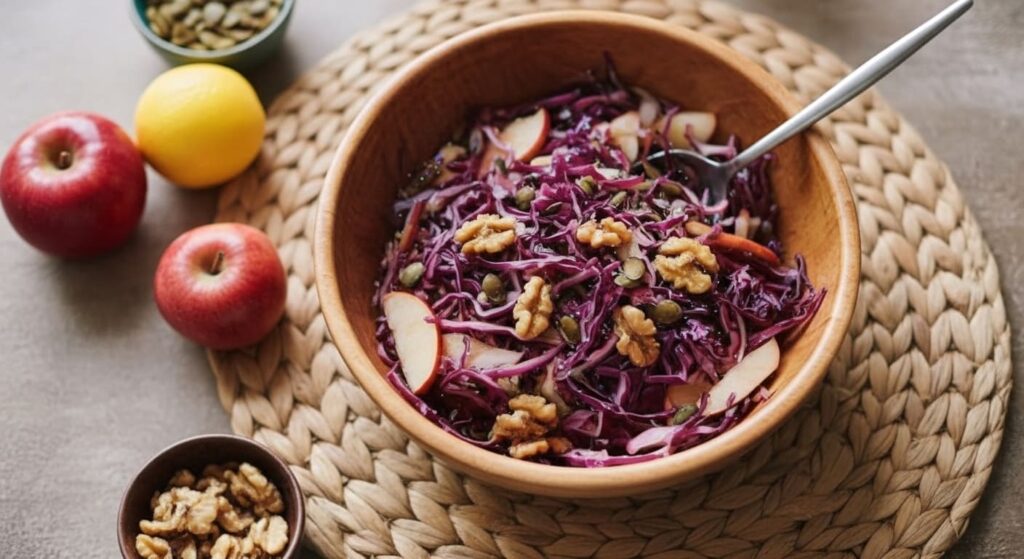
Step 2: Balance Your Plate for the Gym
Whether you’re lifting heavy, running on the treadmill, or doing a home workout on a rainy day, your meals should support muscle recovery and sustained energy. Focusing on the right macronutrients is key:
Protein: Pre-cook and portion grilled chicken, boiled eggs, paneer, or lentils.
Complex Carbs: Batch-cook brown rice, quinoa, or sweet potatoes for easy meals throughout the week.
Healthy Fats: Nuts, seeds, and cold-pressed oils make great salad dressings or quick snacks.
Pro Tip: Try a post-workout monsoon smoothie—blend banana, papaya, a scoop of protein powder, and a dash of cinnamon for a quick energy boost.

Step 3: Prep Smart, Store Smarter
Consistency in fitness starts in the kitchen. Smart prepping and proper storage keep your meals fresh and make it easier to stick to your plan.
- Batch Cooking: Dedicate 1–2 hours twice a week to prep multiple meals.
- Airtight Containers: Keep veggies and cooked meals fresh for up to 3 days.
- Label & Rotate: Avoid food waste and keep variety in your diet.
Step 4: Monsoon-Friendly Meal Ideas
Monsoon cravings don’t have to derail your health. Swap fried temptations for wholesome, immunity-boosting options that energize your body:
Soups & Stews
- Ingredients: Mushrooms, spinach, carrots, tomatoes, ginger, garlic, black pepper
- Why: Light, warming, and packed with antioxidants to strengthen immunity.
Seasonal Veggie Stir-Fries
- Ingredients: Bottle gourd (lauki), ridge gourd (turai), tinda, bhindi, capsicum, turmeric
- Why: Nutrient-rich, easy to digest, and perfect as a post-gym meal.
Khichdi with a Twist
- Ingredients: Brown rice or quinoa, moong dal, turmeric, cumin, curry leaves
- Why: Gut-friendly, protein-rich comfort food that fuels workouts even on rainy days.
Roasted Snacks
- Ingredients: Sweet potatoes, makhana (fox nuts), peanuts, chickpeas with rock salt & spices
- Why: Crunchy, guilt-free alternatives to oily pakoras.
Herbal Teas & Drinks
- Ingredients: Tulsi, ginger, cinnamon, cardamom, honey, lemon
- Why: Boosts immunity, aids digestion, and keeps energy levels high during sluggish monsoon days.
Protein-Packed Curries
- Ingredients: Chickpeas, kidney beans, paneer, spinach, garlic, turmeric
- Why: Plant-based protein supports muscle recovery and strength.
Step 5: Keep Your Immune System Gym-Ready
Monsoon weather can make you more prone to infections, colds, and coughs. Along with healthy meal prep, follow these tips:
- Stay hydrated with warm water or herbal teas.
- Avoid raw leafy salads; steam or sauté vegetables to prevent stomach bugs.
- Include probiotics like curd or kefir to support gut health.
The Gym Connection:
Fueling your body properly matters. If you’re sweating it out at the gym, your body needs high-quality nutrients to repair muscles, maintain stamina, and prevent post-workout fatigue. Skipping meals or relying on processed snacks can undo your hard work—so prep wisely, eat consciously, and keep your fitness goals on track.

Step 6: Mix & Match for Variety
Even with meal prep, variety keeps things exciting. Try combining different proteins, grains, and vegetables to avoid boredom:
- Protein Swaps: Rotate chicken, paneer, tofu, or legumes like chickpeas and kidney beans.
- Grain Options: Alternate brown rice, quinoa, millet, or whole wheat pasta.
- Veggie Rotation: Use seasonal produce like pumpkin, bottle gourd, spinach, ridge gourd, or seasonal fruits like papaya and pomegranate.
A little rotation ensures balanced nutrients and keeps you excited about your meals.