

Dark patterns extend beyond deceptive interface design, actively manipulating users and exposing consumers to unfair practices. Developing the ability to identify and avoid them is vital for ensuring a safer and more just digital marketplace.
What are dark patterns?
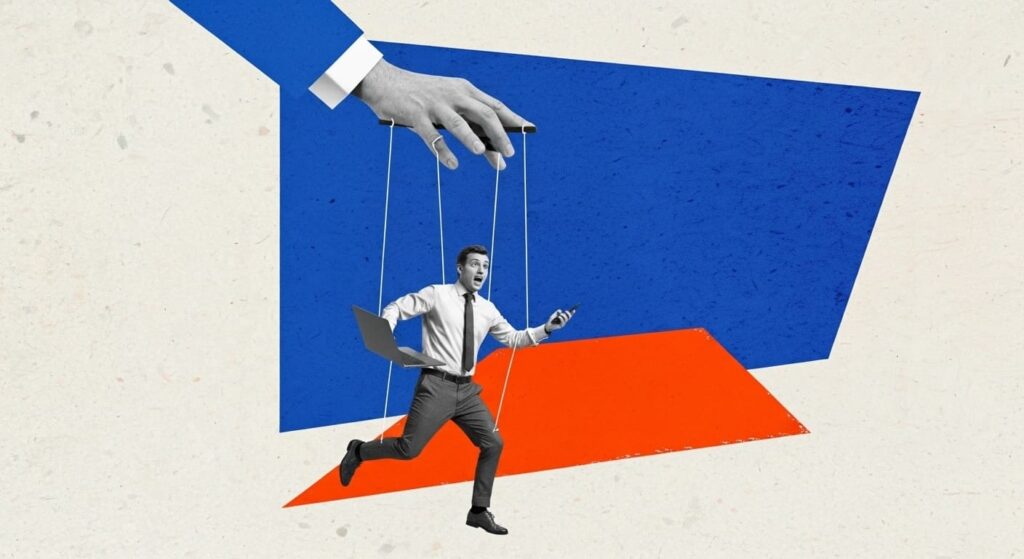
Dark patterns—also known as deceptive user experience (UX) patterns or Black UX—are intentional design strategies used to manipulate online users into making decisions that are not always in their best interest.
You’ve likely encountered them before. Studies suggest that the vast majority of websites and apps in Europe rely on dark patterns, making them a widespread issue. Even more concerning, they are part of a growing range of unfair commercial practices that put online consumer safety at risk.
Sometimes, these tactics appear harmless. You click “yes” to move quickly through a process and unintentionally sign up for a newsletter you may never read. It feels like a minor inconvenience.
However, the impact can be far more serious. Anyone who has tried to cancel a subscription—only to face endless menus, confusing options, and guilt-inducing messages—has experienced how frustrating and potentially harmful dark patterns can be.
As digital services become deeply embedded in everyday life, the use of deceptive UX design has increased rapidly. These designs often steer consumers toward choices that benefit businesses financially while leaving users worse off.
For this reason, it is essential for both consumers and businesses to understand dark patterns, as they can lead to significant personal, financial, and legal consequences.
Who dark patterns impact and why they work
Dark patterns take advantage of how the human brain processes information, creating confusion and stress that push consumers toward decisions they would not normally make.
By artificially creating urgency, these designs trigger a fear of missing out, reducing users’ ability to pause and think critically. They also pressure people into surrendering control over their personal data and privacy, often without fully realizing it.
One of the most high-profile examples involved TikTok, which was fined €345 million by the Irish Data Protection Commission for using unfair design practices that targeted children. Alongside inadequate age-verification measures, the app’s default settings used pop-ups that nudged young users toward making their accounts public.
While dark patterns affect everyone, certain groups face a higher risk—particularly those with limited access to fair and inclusive digital services:
- Older adults may struggle with complex interfaces and hard-to-read fine print.
- People with low digital literacy are less likely to recognize manipulative design tactics.
- Children and teenagers are especially vulnerable to social proof, bright visuals, and gamified elements.
- Consumers experiencing stress or financial pressure are more likely to act quickly and overlook subtle traps.
Common examples of deceptive UX design patterns
While dark patterns vary in form and execution, they consistently function to influence user behavior in ways that favor business objectives over individual autonomy. The following list presents some of the most prevalent manipulative design practices encountered today.
Nagging
This tactic overwhelms users with repeated prompts, pop-ups, or notifications that pressure them into taking a specific action—often one they have already declined. Over time, these constant interruptions wear down users’ patience, leading them to give in simply to end the annoyance.
Social media apps such as Instagram are well known for persistently encouraging users to enable notifications, while making it difficult to permanently dismiss these requests.

Misleading discounts
In some cases, products or services are advertised as discounted against inflated, outdated, or even fictitious reference prices, creating a false sense of savings.
For instance, a retailer may claim an item is 50% off a price it was never actually sold at, making the offer appear more attractive than it truly is and persuading consumers to make purchases they otherwise would not have considered.
Roach motel (hard to cancel)
Designed to trap users through friction and fatigue, the “roach motel” pattern makes signing up quick and effortless while deliberately making cancellation difficult and time-consuming.
One of the most well-known cases involved Amazon, which agreed to settle a USD 2.5 billion lawsuit over its use of this tactic. The company was accused of misleading millions of customers into enrolling in Amazon Prime, while intentionally complicating the process of unsubscribing.
Disguised ads
Disguised ads deliberately blur the line between genuine interface elements and sponsored content, making it hard for users to tell the difference.
For instance, in-app notifications may look like system alerts or helpful tips but actually promote a product or service. Similarly, fake download buttons often don’t deliver the promised content, instead directing users to sponsored pages—or, in some cases, malware
Fake social proof
Not all five-star ratings are genuine. Marketing teams, PR firms, and individual sellers often post fake reviews to create the illusion of popularity and trust around their products.
Research from BEUC and its Spanish member OCU found that up to 8.4% of products on Amazon and 6.2% of hotels on TripAdvisor feature fake reviews.
This practice, known as astroturfing, has even spawned entire platforms dedicated to selling positive reviews to businesses eager to improve their reputation.

Drip pricing
Drip pricing occurs when additional fees appear only after a user has begun the purchase process. If you’ve ever booked a flight thinking you were getting a good deal—only to watch the total cost soar once baggage, seat selection, service fees, and taxes were added—you’ve experienced this common dark pattern.
Hidden costs
Hidden costs are a deceptive design tactic that hides unexpected fees deep in the checkout process, only revealing them at the final payment stage.
For example, ticketing platform Ticketmaster recently faced criticism and agreed to provide clearer pricing following complaints from both artists and consumers about opaque fees.

Hidden subscription
This tactic deceptively enrolls users in recurring payments while making them believe they’ve only signed up for a free trial or made a one-time purchase.
Subscription details are often buried in lengthy fine print, making them easy to miss until charges appear. In some cases, sellers even claim that users were aware of—or explicitly agreed to—the subscription.
Fake urgency and fake scarcity
Dark patterns often create fake deadlines or stock shortages—known as scarcity cues—to trigger a fear of missing out, pushing users to make hasty decisions without careful consideration.
E-commerce sites may display countdown timers, while booking platforms use messages like “Only 10 minutes left to claim this deal!” or “Only 2 rooms remaining at this price!” to create urgency.

Confirmshaming
Confirmshaming is a dark pattern that uses guilt-inducing language to manipulate users into making choices that benefit the company.
For example, a subscription upsell or charity prompt might use wording such as “No, I don’t want to save money” or “I don’t want to help those in need” to pressure users into agreeing.
Preselection
Preselection occurs when certain options—often costly or undesirable extras—are selected by default, requiring users to actively opt out. In Europe, the EU Consumer Rights Directive, effective since 2014, banned the use of pre-ticked boxes to protect consumers from this practice.

Trick wording
Trick wording uses deliberately confusing or misleading language—often involving double negatives—to nudge users into compliance. It frequently appears in checkboxes or pop-ups, with phrasing like “Uncheck here if you do not wish to receive marketing emails.”
Sneak into basket
This tactic occurs when additional products or services are added to a user’s shopping cart without their clear consent, causing consumers to pay more than they intended.
Similar to preselection, this practice is banned under EU consumer law. Yet it still appears in subtler forms, such as interfaces that make it confusing or awkward to decline extras.

Are dark patterns illegal?
Several EU laws tackle deceptive online practices, yet Europe’s regulatory framework remains fragmented, with no single, clear definition of dark patterns.
The Digital Services Act prohibits practices that distort or limit consumers’ ability to make informed decisions, while the Unfair Commercial Practices Directive targets misleading or aggressive business-to-consumer tactics.
Other regulations, including the AI Act and the Consumer Rights Directive, also address deceptive UX design and its risks, particularly in sectors like financial services.
Despite these protections, legal ambiguities, constantly evolving online tactics, and the borderless nature of the internet leave gaps that allow many dark patterns to persist.
How to avoid dark patterns
Stay Digitally Vigilant
Learning to recognize deceptive online tactics helps you make informed decisions and avoid being taken advantage of.
- Read carefully. Take your time with options, checkboxes, and prompts. Pause to reread confusing language, or ask someone you trust to double-check.
- Review the final total. Always check your basket or booking summary before paying. Sneaky extras, like subscriptions or add-ons, often appear at the last moment.
- Question urgency and scarcity. Messages like “Deal ends in 10 minutes!” are designed to pressure you. Stop, compare, and verify if the offer is real.
- Watch for preselected boxes. Don’t assume defaults are in your favor. Untick anything you didn’t actively choose to avoid unwanted add-ons.
- Ignore guilt-tripping. Choose what aligns with your needs, not language designed to make you feel bad.
- Persist through tricky cancellations. Roach motels and nagging prompts aim to wear you down. A few extra clicks now can save you future charges.
- Do your research. Don’t rely solely on reviews or social proof. Cross-check multiple sources before trusting five-star ratings or testimonials.
- Protect your data. Be careful with what you consent to and opt out of unnecessary sharing. Avoid clicking “Accept All” without reading the details.
Towards a fairer digital marketplace
Dark patterns are more than clever design or marketing tactics—they are manipulative strategies that exploit users for business gain. They can cause real harm, from financial loss and privacy breaches to emotional stress, and they gradually erode trust in brands and digital platforms.
These deceptive practices can:
- Exploit cognitive biases. They take advantage of human tendencies, such as fear of missing out, social pressure, or impulsive decision-making.
- Pressure users into unwanted choices. From hidden subscriptions to preselected add-ons, dark patterns often make it harder to say “no.”
- Mislead or confuse. Tricky wording, fake scarcity, and disguised ads can make users act against their best interests.
- Impact vulnerable groups disproportionately. Children, seniors, low-digital-literacy users, and stressed consumers are especially at risk.
- Undermine long-term relationships. Even if users initially comply, repeated exposure to manipulative tactics damages trust and brand loyalty.
In short, dark patterns aren’t harmless—they’re a growing ethical and legal concern in the digital world. Recognizing and avoiding them is crucial for safer, fairer online experiences.