

This Chicken Gyros recipe came straight from the owner of Kalimera Souvlaki Art, one of Melbourne’s most beloved gyros spots. And yes—it’s outrageously, unbelievably good. The magic? A no-fuss marinade made with just four everyday pantry spices. Seriously, that’s all it takes!
Kalimera’s Greek Chicken Gyros
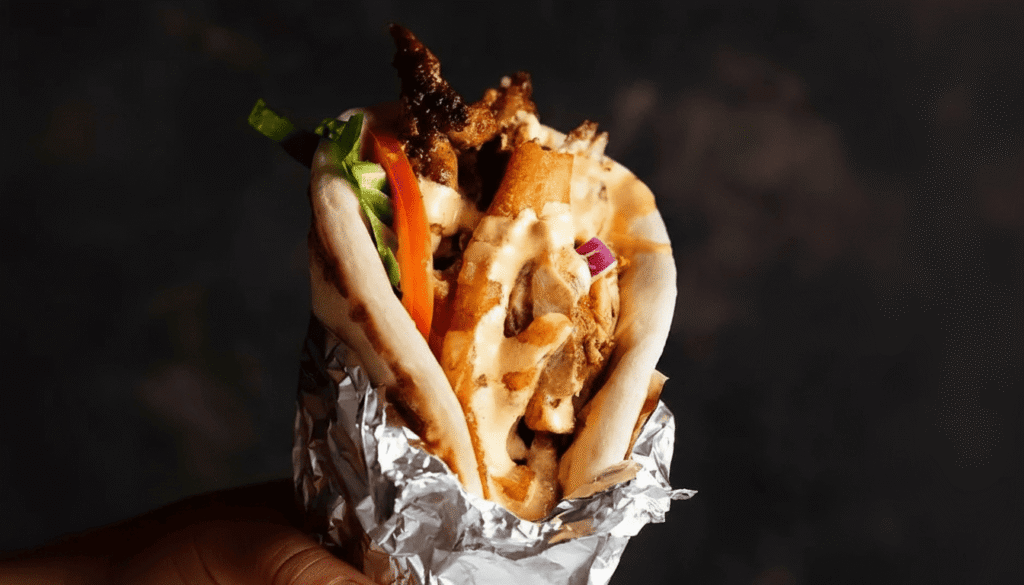
A few years ago, I created a series called Secret Recipes, where I shared recipes for some of the world’s most iconic dishes, generously passed down by the very restaurants that made them famous.
The very first recipe I featured was the classic Greek gyros. I’ve always been obsessed with gyros and, for years, stuck to my original version with a rich yogurt, garlic, and oregano marinade. I still love that one—but this gyros recipe? It’s something entirely next-level.
This recipe was generously shared with me by Thomas Deliopoulos, the mastermind behind Kalimera Greek Souvlaki, a hugely popular souvlaki bar in Melbourne’s lively Greek neighborhood of Oakleigh. Their gyros are so incredible that renowned chefs like Australia’s Ben Shewry and New York Times food critic Sam Sifton can’t stop raving about them!
This recipe features a unique spice-only marinade—no minced garlic—plus a clever twist: a touch of curry powder! It doesn’t make the gyros taste like curry, but it adds a rich layer of flavor that elevates a simple spice mix into something extraordinary. At Kalimera Greek Souvlaki, the gyros is traditionally cooked on massive vertical rotisseries layered with generous amounts of fat. For home cooking, I pan-fry or BBQ it instead. Initially, I worried it might lack punch, but by tweaking the spice ratios slightly (and knowing Kalimera likely uses higher-quality spices than typical grocery stores), I can confidently say I was wrong. I’ve made this recipe for many friends, and everyone can’t get enough of it!
Ingredients in Kalimera’s Greek Chicken Gyros
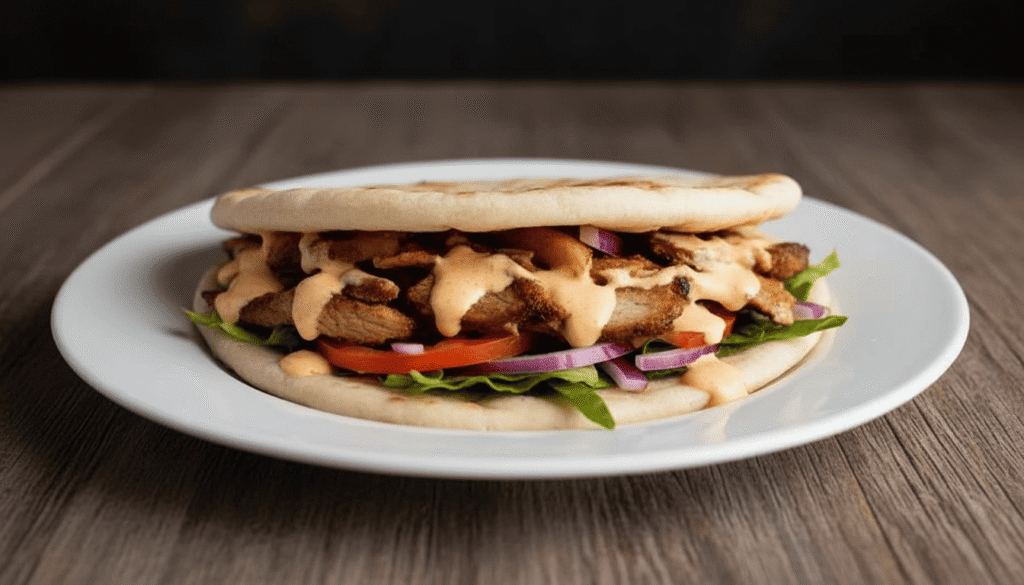
Here’s a clean, simple way to introduce the ingredients section for Kalimera’s Greek Chicken Gyros:
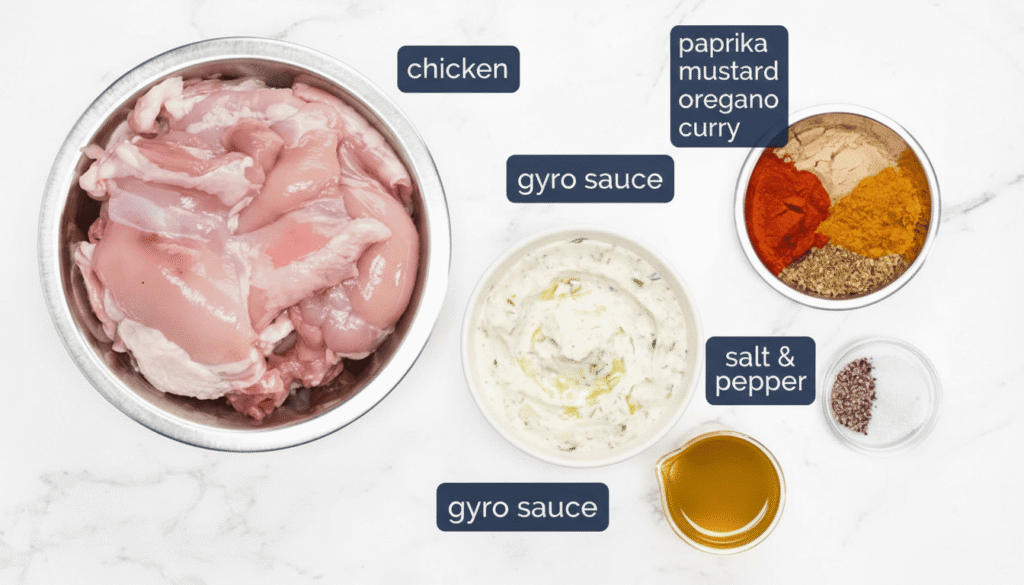
1. Kalimera’s secret chicken gyros marinade
Ingredients Notes for Kalimera’s Greek Chicken Gyros
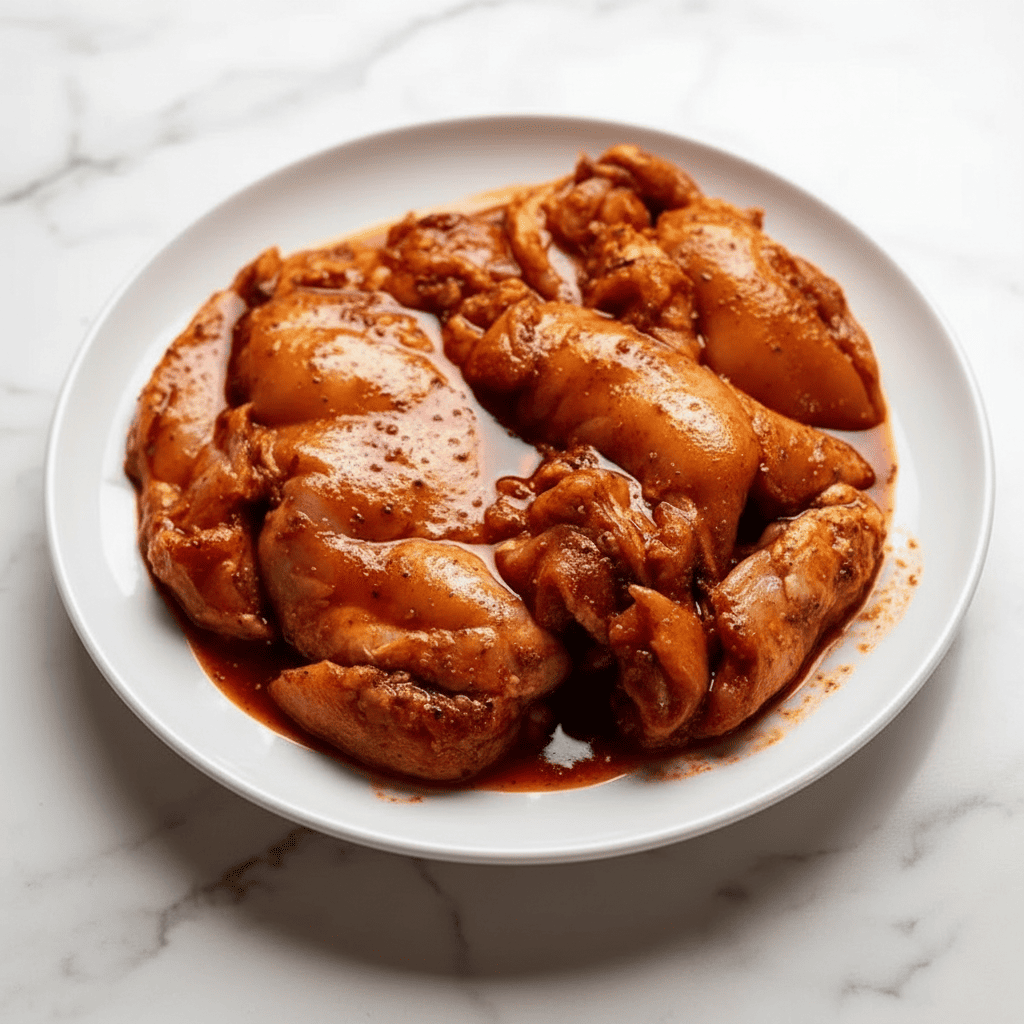
- Curry powder – Just a regular, mild curry powder from any grocery store. Not spicy, but it’s Kalimera’s secret ingredient!
- Mustard powder – A surprising addition you don’t often see in Greek marinades. Adds a subtle earthiness. Dijon mustard isn’t quite the same but works as a decent substitute.
- Sweet or regular paprika – Mild, not smoked or spicy.
- Dried oregano – A Greek favorite. Fresh oregano won’t give the same flavor here.
- Extra virgin olive oil – The liquid base that binds the marinade together.
- Salt and pepper – I use cooking salt (similar to kosher salt in the US). If using table salt, reduce the amount by half; if using salt flakes, increase by 50%.
2. COPYCAT KALIMERA GYROS SAUCE
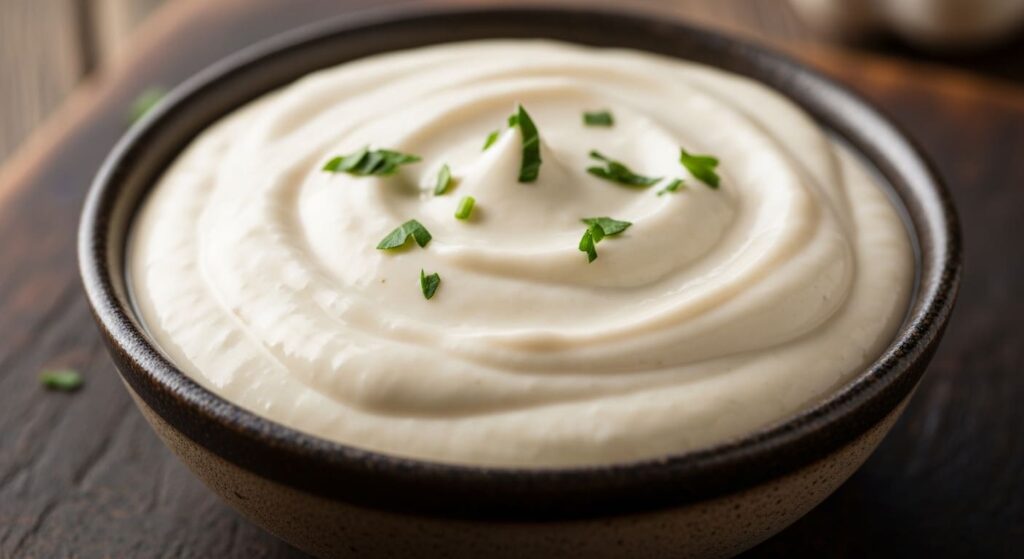
Thomas was a bit coy about sharing his exact gyros sauce recipe, but he did give me the key ingredients—so I created a copycat version. I think it’s pretty close! Here’s what you’ll need:
Notes for Gyros Sauce Ingredients
- Plain yogurt – Preferably Greek or Greek-style. Full fat is best, but low-fat works fine too.
- Whole-egg mayonnaise – My go-to for a smooth, balanced flavor. Brands like S&W, Hellmann’s, or Kewpie work perfectly. Regular mayonnaise is fine if that’s what you have or prefer.
- Extra virgin olive oil – Adds richness and creaminess to the sauce.
- American yellow mustard – The secret ingredient! It gives the sauce a warm yellow color and subtle flavor. Dijon mustard can be used as a substitute, but avoid hot English mustard—it’ll make the sauce too spicy.
- Garlic and paprika – The two spices that bring the sauce to life with authentic flavor.
3. for the gyros
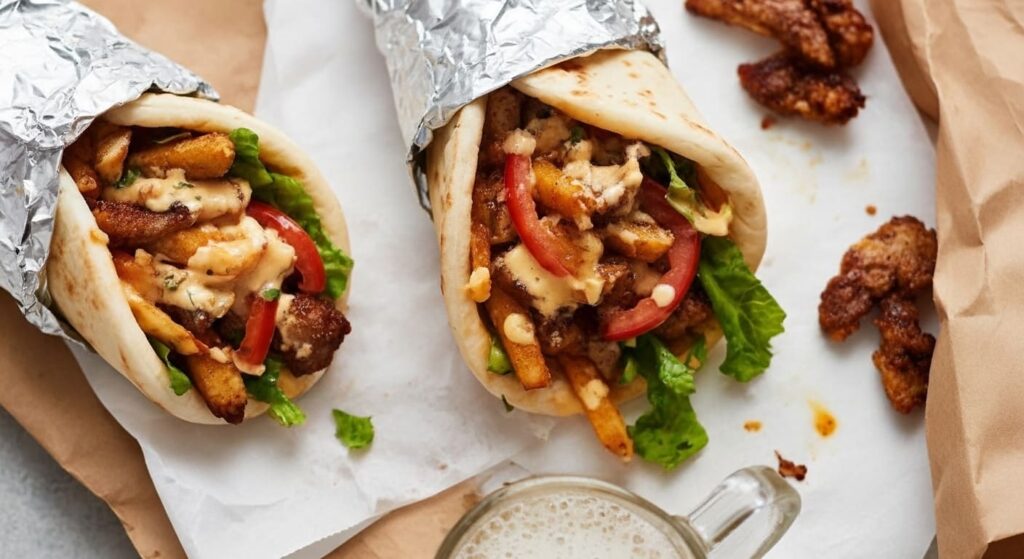
Use the bread-style pita if you can find it—that’s the traditional choice for gyros. If not, any soft flatbread will work perfectly.
Gyros Bread & Toppings
- Gyros pita bread / souvlaki bread – I use the bready-type pita, about 5 mm (0.2″) thick and 21 cm (8.5″) wide. My favourite is the Golden Top brand Souvlaki Bread, commonly used in Greek restaurants and souvlaki shops here in Australia. I usually get mine from Harris Farms (I’m in Sydney). Don’t worry if you can’t find this exact type—gyros tastes amazing wrapped in anything: thin pita, flatbreads, Lebanese bread, or even tortillas!
- Tomato – Halved and thinly sliced.
- Lettuce – Kalimera doesn’t use lettuce, but I like a little fresh greenery in mine. Feel free to skip it.
- Red onion – Another personal addition for a bit of fresh, oniony crunch.
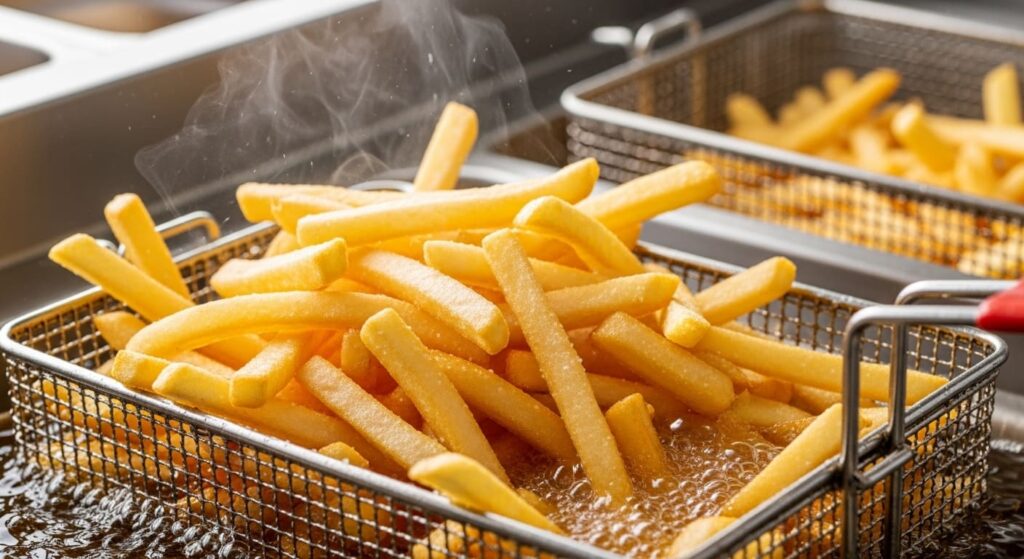
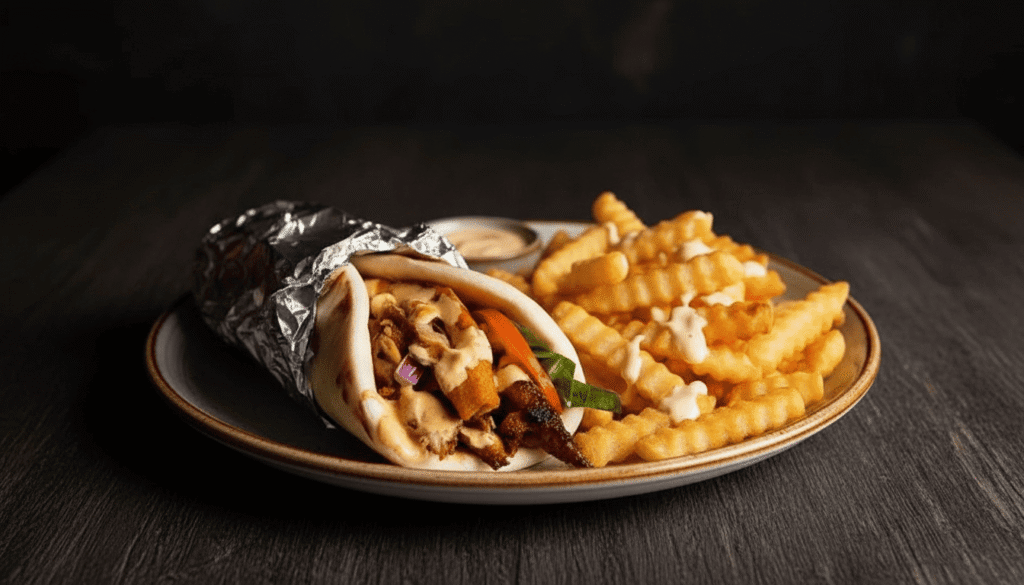
- Hot chips (fries!) – A must for true Greek street-style gyros. Totally optional, though—I often skip them for everyday meals, since the gyros is so full and flavorful on its own. I usually use frozen fries—bake them for a simple option, fry them to impress, or make your own if you really want to go all out!
How to make Kalimera’s famous Chicken Gyros
At Kalimera, the chicken gyros is cooked on giant vertical rotisseries. For home cooking, we’ll stick to the stove or BBQ—no skewering needed. It’s not quite the same spectacle, but the flavor is still amazing!
1. Marinade chicken
Prepare the Marinade
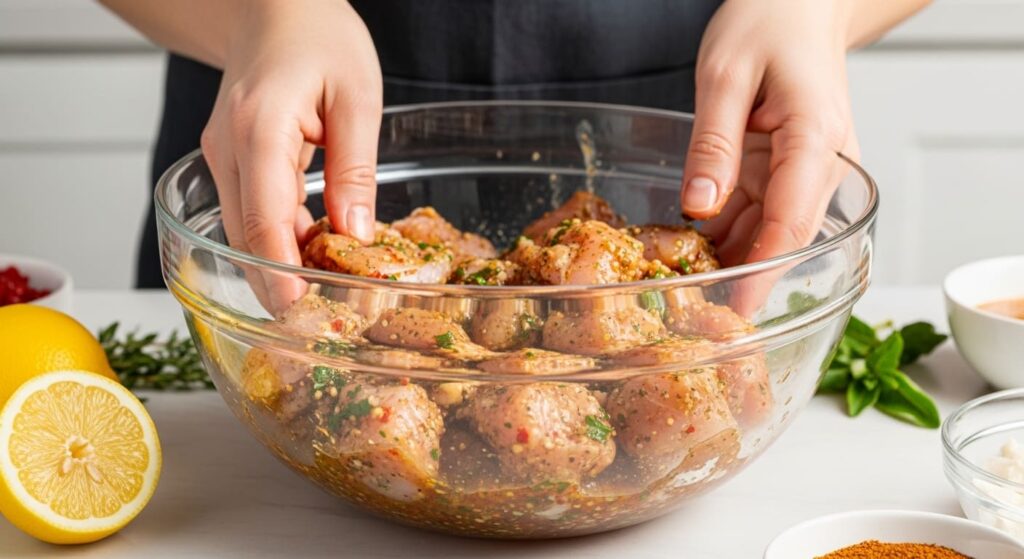
- Mix the marinade ingredients in a large bowl.
- Toss the chicken in the marinade, making sure it gets into all the nooks and crannies.
- Let it marinate: overnight (24 hours) is ideal, 12 hours works well, and 3 hours is the minimum. (A friend once skipped marinating entirely and found that once the chicken is chopped and tossed, it still has plenty of flavor!)
2. Cook
Prepare the Sauce and Chips
Cook the hot chips (if using) next – Prepare the fries using your preferred method. If baking or air-frying, time them so they’re ready when the gyros is assembled. If frying, cook them and keep warm in a 100 °C / 200 °F oven until ready to serve.
Make the sauce first – Mix the sauce ingredients before cooking the chicken. Let it rest for about 20 minutes so the flavors can meld.
Cook the Chicken
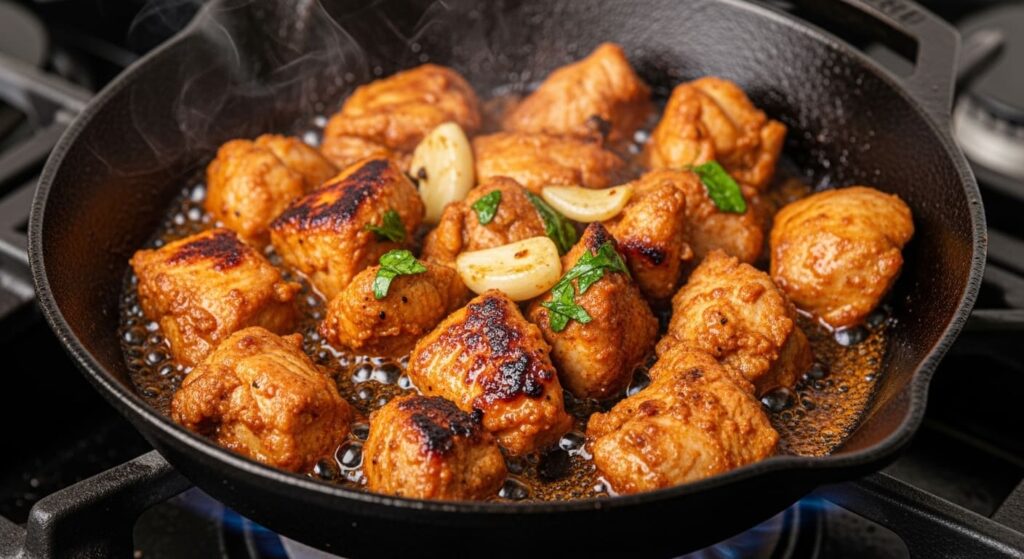
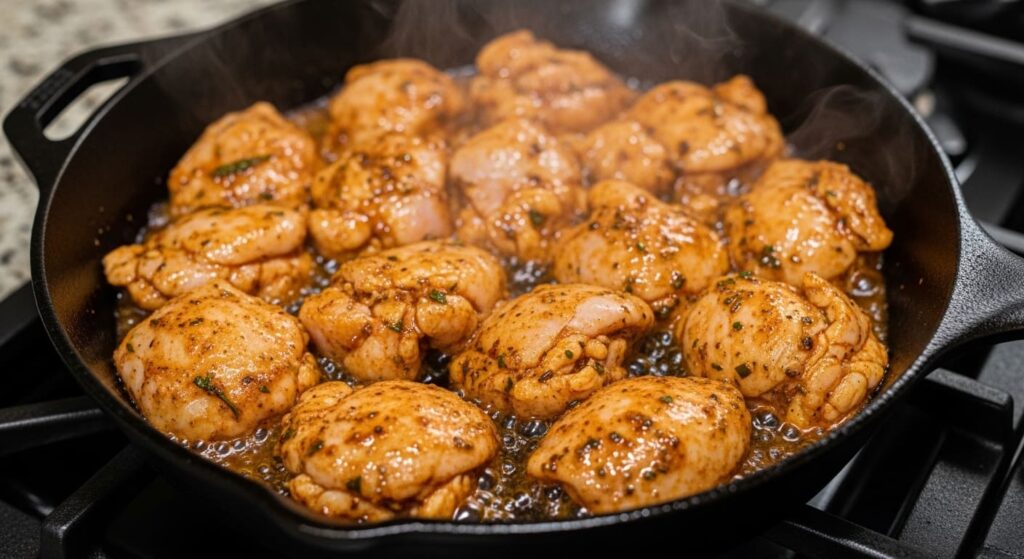
Cook the chicken on the stove in a non-stick pan or, even better, on a BBQ, until it’s deep golden brown with slightly charred edges. No need to add oil—the marinade provides plenty. Use medium-high heat so the outside browns without the inside overcooking.
- Small thighs: About 3 minutes per side
- Large thighs: About 4–5 minutes per side
To be sure, check the internal temperature: it should reach at least 72 °C / 162 °F when removed from the heat and will rise to around 76 °C / 169 °F as it rests.
Rest the chicken – Transfer the cooked chicken to a pan or tray and loosely cover with foil. Let it rest for about 3 minutes (or while you finish cooking additional batches in a fry-pan). Resting is key—it allows the meat fibers to reabsorb the juices so they don’t spill out when you chop the chicken.
Warm the pita bread – While the chicken rests, heat the pita. This is especially important for the bready-type, or it may crack when folded.
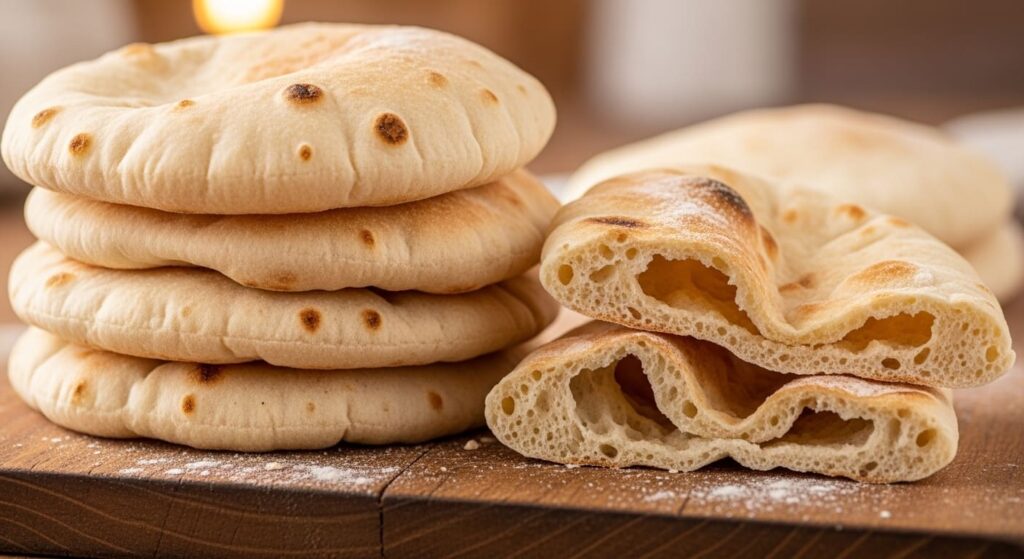
- Quick method: Stack the pitas on a plate and microwave for 1–1½ minutes on high until warm and pliable.
- Alternative methods: Brush lightly with water and pan-fry gently (avoid crisping the surface), or wrap in foil and warm in the oven.
Slice and Assemble
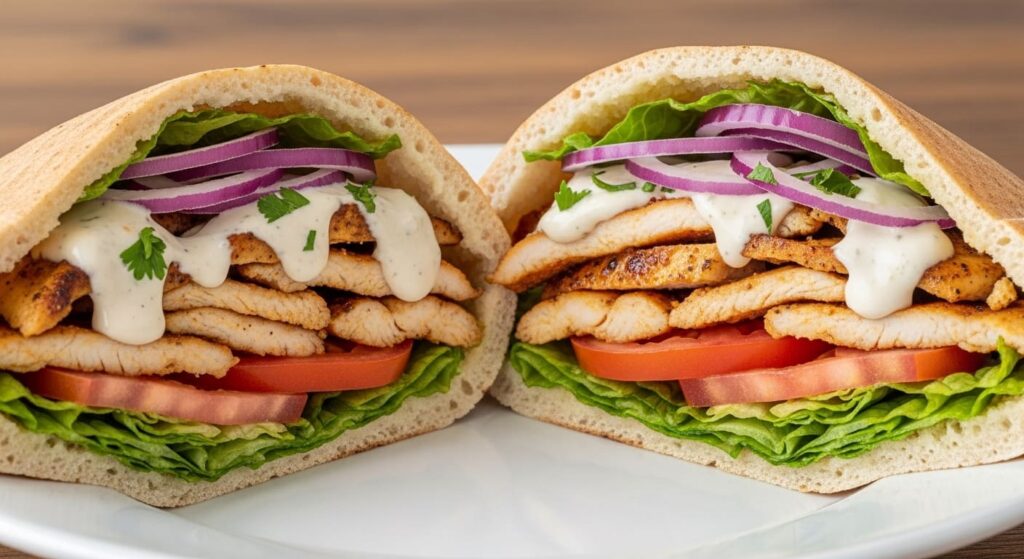
- Slice the chicken – Cut into 8 mm (about 1/3″) strips.
- Assemble the gyros – Spread sauce down the center of the pita. Layer on the chicken, then add lettuce and tomato along the sides. Sprinkle with red onion, top with hot chips if using, and drizzle with extra sauce. Fold, wrap, and enjoy!
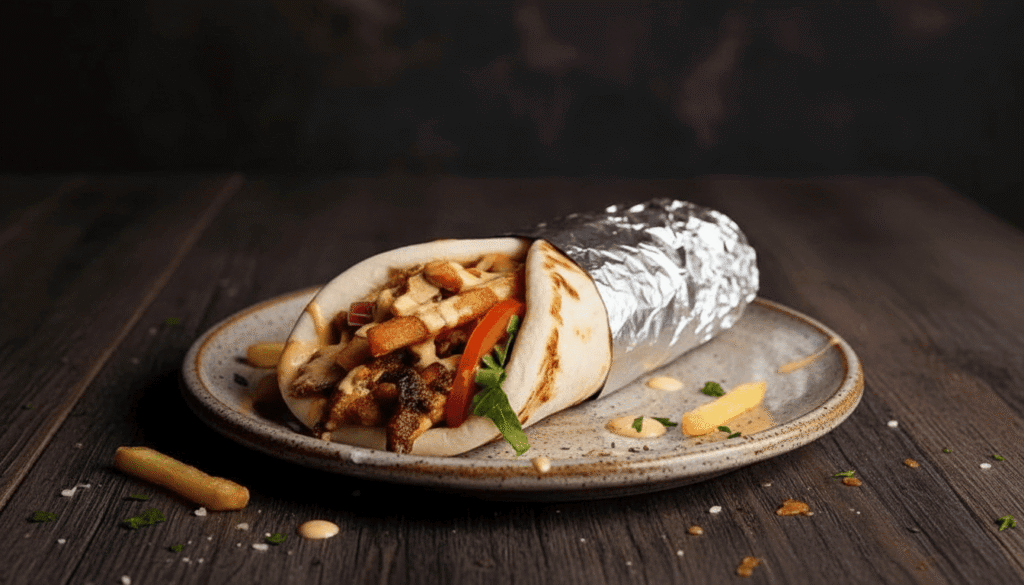
This recipe is perfect for making in large batches because the marinade is so simple—just measure out the dry spices, no squeezing lemons or mincing garlic required. It’s ideal for freezing marinated meat or cooking for a crowd.
It’s also one of those dishes where you can lay out all the ingredients and let everyone assemble their own wraps. I’m a big fan of this style of eating (like with this, this, this, and this!). Partly because it’s less work for me, but mostly because DIY meals feel more interactive and inclusive than formal plated dishes.
Yummy Folk brings you delicious recipes, vibrant food stories, and easy-to-follow cooking tips. From classic comfort foods to global flavors, explore meals that are simple, flavorful, and perfect for home cooks.