
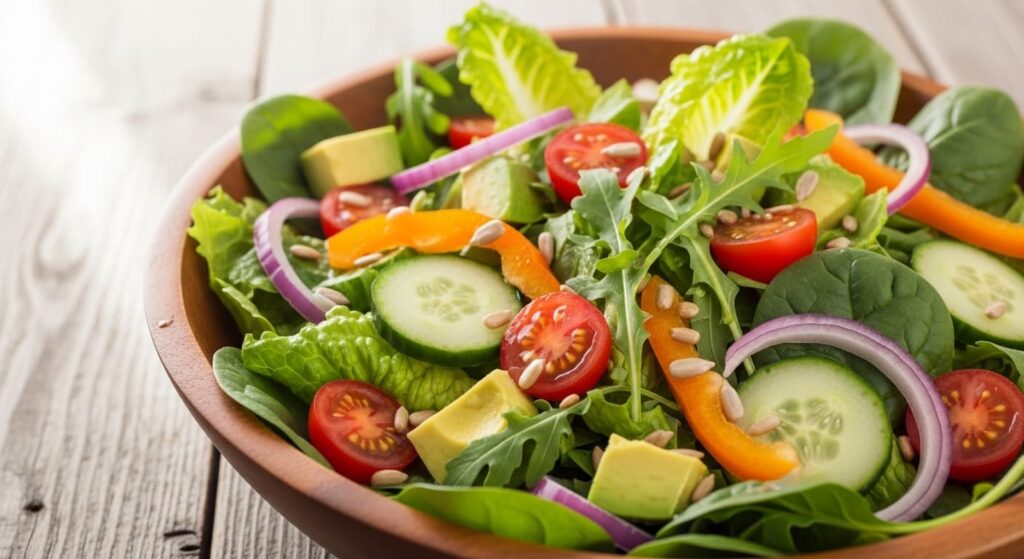

A plant-based diet focuses on foods that come primarily from plants. This includes fruits, vegetables, legumes, whole grains, nuts, and seeds. Unlike strict vegan diets, a plant-based approach does not always eliminate animal products completely. Instead, it emphasizes plant foods as the main source of nutrition.
With growing interest in healthier lifestyles and sustainable eating, more people are switching to plant-focused diets for both personal health and environmental reasons.
What Is a Plant-Based Diet?
A plant-based diet prioritizes foods derived from plants. The core idea is to consume mostly whole, minimally processed plant foods while reducing or avoiding animal-based products such as meat, dairy, and eggs.
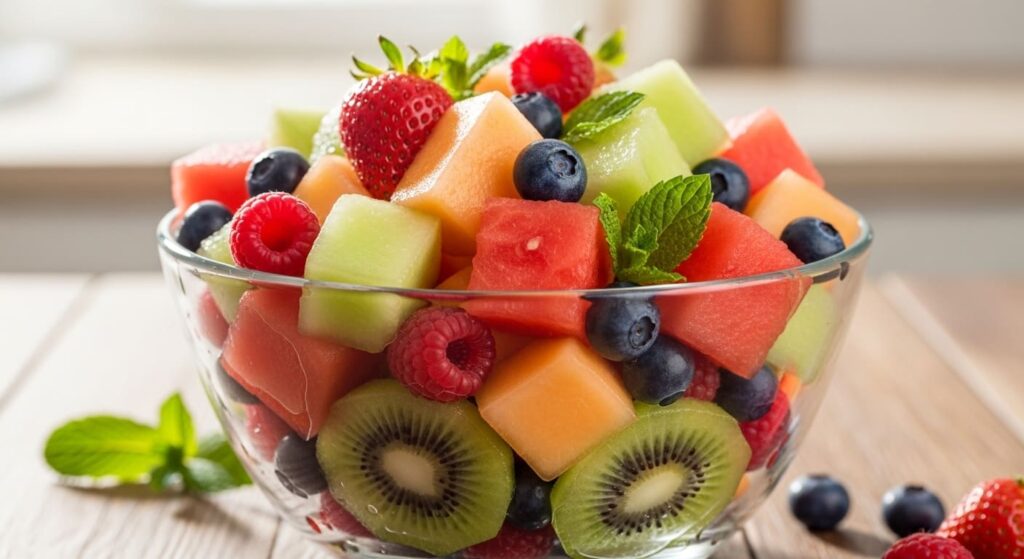
Common Foods in a Plant-Based Diet
- Fruits: apples, bananas, berries, oranges
- Vegetables: spinach, broccoli, carrots, tomatoes
- Whole grains: brown rice, quinoa, oats, barley
- Legumes: lentils, chickpeas, beans, peas
- Nuts and seeds: almonds, walnuts, chia seeds, flaxseeds
- Plant oils: olive oil, avocado oil
- Plant-based alternatives: soy milk, almond milk, tofu, tempeh
Highly processed foods, sugary drinks, and refined carbohydrates are usually limited.
Key Benefits of a Plant-Based Diet
1. Supports Heart Health
Plant-based diets are naturally low in saturated fat and cholesterol. High fiber and antioxidant content help improve cardiovascular health.
Research shows plant-focused eating patterns may reduce the risk of:
- High blood pressure
- Heart disease
- High cholesterol
Foods like oats, beans, and leafy greens help maintain healthy arteries and improve circulation.
2. Helps With Weight Management
Plant foods are generally lower in calories and higher in fiber, which helps people feel full longer.
Benefits for weight management include:
- Reduced calorie intake
- Better portion control
- Improved metabolism
People who follow plant-based diets often have lower body mass index (BMI) compared to those who consume large amounts of animal products.
3. Improves Digestive Health
Fiber plays a crucial role in digestion. Fruits, vegetables, and whole grains provide both soluble and insoluble fiber that support gut health.
Digestive benefits include:
- Improved bowel movements
- Balanced gut bacteria
- Reduced constipation risk
A healthy digestive system also strengthens immunity.
4. Reduces Risk of Chronic Diseases
Many studies link plant-based diets with a lower risk of chronic conditions.
Potential protection against:
- Type 2 diabetes
- Certain cancers
- Obesity
- Metabolic syndrome
Antioxidants and phytonutrients in plant foods help reduce inflammation and oxidative stress in the body.
5. Environmentally Friendly Eating
Plant-based diets are often considered more sustainable.
Environmental benefits include:
- Lower greenhouse gas emissions
- Reduced water usage
- Less land required for food production
Choosing plant foods contributes to a smaller environmental footprint.
Essential Nutrients to Watch
While plant-based diets are nutritious, beginners should pay attention to certain nutrients.
Protein
Plant protein sources include:
- Lentils
- Chickpeas
- Tofu and tempeh
- Quinoa
- Nuts and seeds
Combining different plant proteins helps provide all essential amino acids.
Vitamin B12
Vitamin B12 is mostly found in animal products. People on strict plant-based diets may need:
- Fortified foods
- Supplements
Iron
Plant sources of iron include:
- Spinach
- Beans
- Lentils
- Pumpkin seeds
Pair iron-rich foods with vitamin C sources like citrus fruits to improve absorption.
Omega-3 Fatty Acids
Important plant sources:
- Chia seeds
- Flaxseeds
- Walnuts
- Algae-based supplements
Beginner Guide to Starting a Plant-Based Diet
Transitioning to plant-focused eating does not have to be difficult. Gradual changes make the process easier and more sustainable.
1. Start With Small Changes
Begin by replacing one or two meals a week with plant-based options. Examples include:
- Vegetable stir-fry instead of chicken stir-fry
- Lentil soup instead of beef soup
2. Build Meals Around Plants
A balanced plant-based meal typically includes:
- Whole grains
- Protein source (beans, tofu, lentils)
- Vegetables
- Healthy fats
Example meal: quinoa bowl with roasted vegetables, chickpeas, and avocado.
3. Choose Whole Foods
Focus on natural foods rather than processed vegan products.
Good choices include:
- Fresh produce
- Whole grains
- Legumes
- Nuts and seeds
Limit highly processed snacks and refined sugars.
4. Plan Balanced Meals
Meal planning helps maintain proper nutrition.
Example daily plant-based meal plan:
Breakfast: Oatmeal with berries and almonds
Lunch: Chickpea salad with olive oil dressing
Snack: Apple with peanut butter
Dinner: Brown rice with tofu and roasted vegetables
5. Learn Simple Plant-Based Recipes
Cooking at home makes it easier to control ingredients and nutrition.
Beginner recipes to try:
- Lentil curry
- Vegetable stir-fry
- Bean tacos
- Smoothie bowls
Common Mistakes Beginners Make
When starting a plant-based diet, some mistakes can reduce its benefits.
Avoid these common issues:
- Eating too many processed vegan foods
- Not consuming enough protein
- Ignoring vitamin B12 intake
- Skipping meal planning
Focusing on whole foods helps maintain balanced nutrition.
Who Should Consider a Plant-Based Diet?
A plant-based diet may benefit many people, including those who want to:
- Improve overall health
- Lose weight naturally
- Reduce disease risk
- Adopt environmentally sustainable eating habits
However, individuals with specific medical conditions should consult a healthcare professional before making major dietary changes.
Conclusion
A plant-based diet is a healthy and sustainable way of eating that emphasizes fruits, vegetables, legumes, whole grains, nuts, and seeds. This dietary approach offers numerous benefits, including improved heart health, better digestion, weight management, and reduced risk of chronic diseases.
For beginners, the key to success is starting gradually, focusing on whole foods, and ensuring balanced nutrition. With proper planning and variety, a plant-based lifestyle can be both nutritious and enjoyable.