

Chronic inflammation is linked to many modern health problems, including heart disease, diabetes, arthritis, and even certain cancers. While short-term inflammation helps your body heal, long-term inflammation can silently damage tissues over time.
What Are the Most Powerful Anti-Inflammatory Foods?
1. Berries (Nature’s Antioxidant Powerhouses)
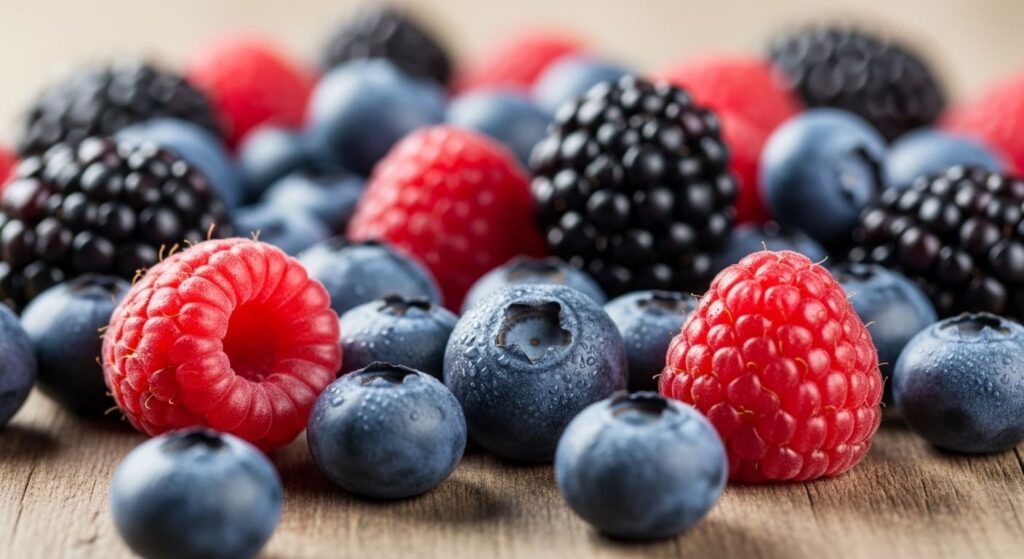
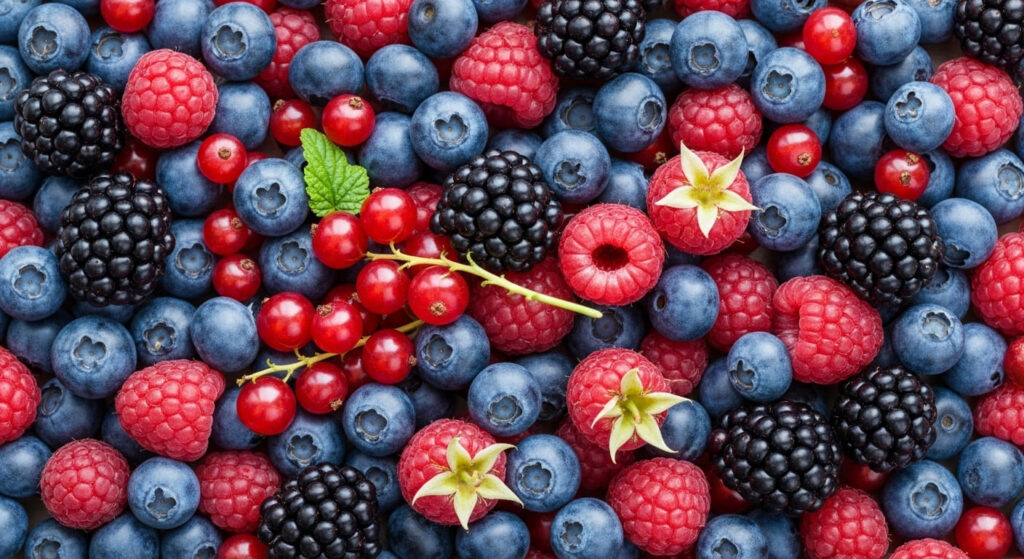
Berries are small but incredibly nutrient-dense fruits packed with fiber, vitamins, minerals, and powerful plant compounds.
Popular varieties include:
- Strawberries
- Blueberries
- Raspberries
- Blackberries
Berries are rich in anthocyanins, antioxidants that give them their vibrant colors and help reduce inflammation in the body.
Health Benefits:
- May reduce risk of heart disease
- Support immune system function
- Help lower inflammatory markers like CRP
- May slow cancer development
For people managing weight or heart health, regular berry consumption has been associated with lower inflammation levels.
2. Fatty Fish (Omega-3 Superstars)
Fatty fish are among the best sources of omega-3 fatty acids, specifically EPA and DHA, which are well known for their anti-inflammatory effects.
Best options include:
- Salmon
- Sardines
- Mackerel
- Herring
- Anchovies
Omega-3s help reduce inflammatory compounds and support the production of resolvins and protectins—molecules that actively calm inflammation.
Benefits:
- Supports heart health
- Reduces C-reactive protein (CRP)
- May lower risk of metabolic syndrome
- Helps protect kidney and brain health
Aim for at least two servings per week for optimal benefits.
3. Broccoli (Cruciferous Healing Vegetable)
Broccoli is a nutritional powerhouse loaded with fiber, vitamins, and antioxidants.
It belongs to the cruciferous vegetable family, alongside cauliflower, kale, and Brussels sprouts.
Broccoli contains sulforaphane, a potent antioxidant that reduces inflammatory molecules like cytokines and NF-κB.
Benefits:
- May reduce cancer risk
- Supports heart health
- Detoxifies the body naturally
- Strengthens immune defenses
Lightly steaming broccoli preserves its anti-inflammatory compounds.
4. Avocados (Healthy Fat & Skin Support)
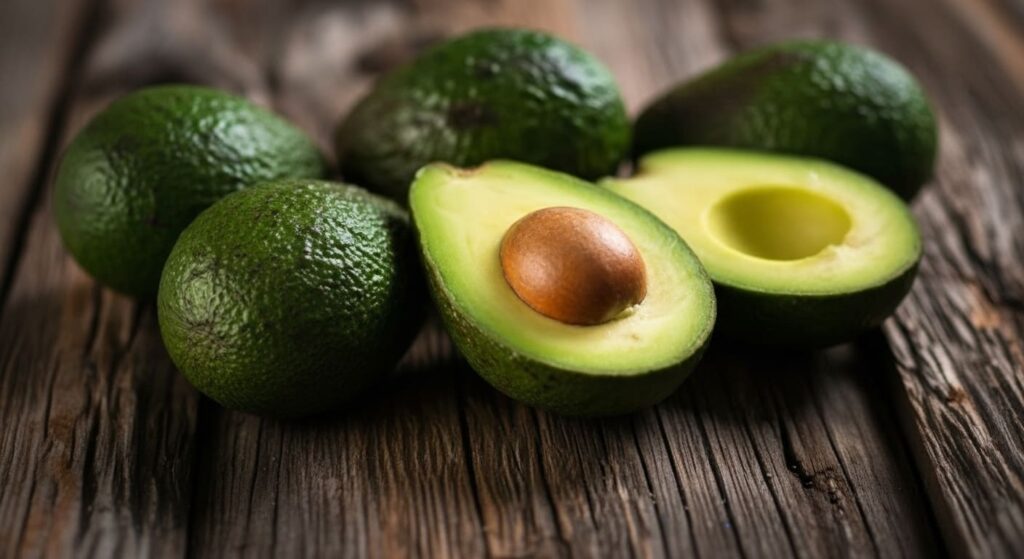
Avocados are rich in:
- Monounsaturated fats
- Potassium
- Magnesium
- Fiber
- Carotenoids & tocopherols
These nutrients help reduce inflammation and support heart and skin health.
Studies show that regular avocado consumption may lower inflammatory markers such as IL-1β and CRP.
Bonus:
Avocados also contain compounds that protect newly forming skin cells from inflammation-related damage.
5. Green Tea (Ancient Anti-Inflammatory Elixir)
Green tea—especially matcha—is one of the healthiest beverages you can drink.
It contains EGCG (epigallocatechin-3-gallate), a powerful antioxidant that reduces inflammation by lowering pro-inflammatory cytokines.
Benefits:
- Supports heart health
- May reduce cancer risk
- Helps protect brain function
- Supports weight management
Drinking 2–3 cups daily may offer noticeable benefits.
6. Peppers (Vitamin C & Quercetin Boost)
Both bell peppers and chili peppers are loaded with:
- Vitamin C
- Antioxidants
- Anti-aging plant compounds
Bell peppers contain quercetin, known to reduce inflammation related to chronic diseases like diabetes.
Chili peppers contain:
- Sinapic acid
- Ferulic acid
These compounds support healthy aging and reduce inflammatory stress.
7. Mushrooms (Low-Calorie Immune Support)
Edible varieties like:
- Shiitake
- Portobello
- Truffles
Mushrooms are rich in:
- Selenium
- Copper
- B vitamins
- Phenols (antioxidants)
These nutrients provide anti-inflammatory protection while supporting immune health.
For maximum benefits, cook mushrooms lightly to enhance antioxidant availability.
8. Grapes (Resveratrol-Rich Protection)
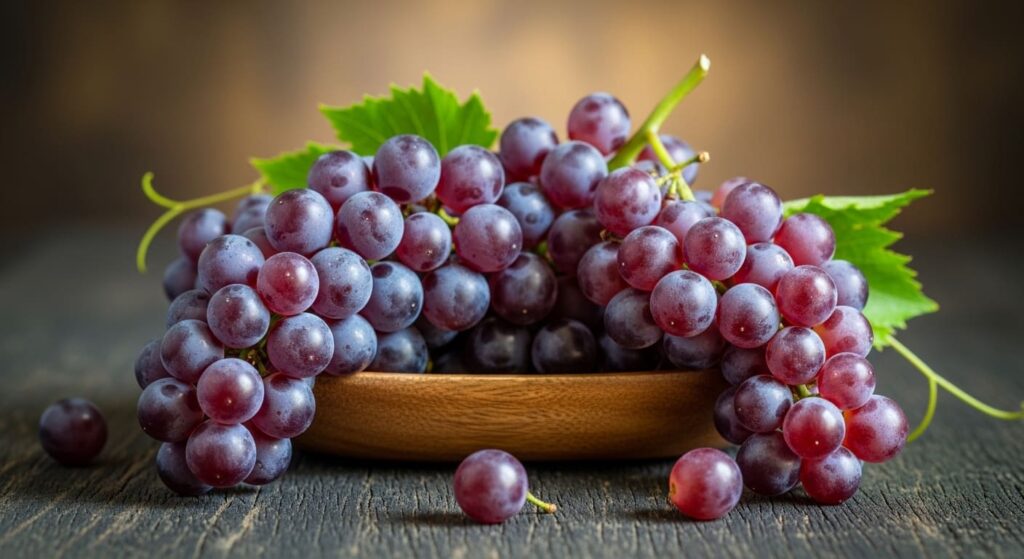
Grapes contain anthocyanins and resveratrol, a powerful antioxidant linked to reduced inflammation and improved heart health.
Benefits:
- May reduce risk of heart disease
- Supports brain health
- Helps regulate weight
- May reduce inflammatory gene expression
Whole grapes provide fiber and nutrients that supplements alone may not deliver.
9. Turmeric (Golden Anti-Inflammatory Spice)
Turmeric contains curcumin, one of the most studied natural anti-inflammatory compounds.
Curcumin has been shown to:
- Reduce arthritis inflammation
- Improve metabolic health
- Lower CRP levels
For better absorption, turmeric should be combined with black pepper (piperine increases absorption significantly).
10. Extra Virgin Olive Oil (Mediterranean Diet Staple)
Extra virgin olive oil (EVOO) is rich in:
- Monounsaturated fats
- Oleocanthal (a natural anti-inflammatory compound)
Oleocanthal works similarly to ibuprofen in reducing inflammation.
Benefits:
- Supports heart health
- Protects brain function
- Reduces chronic disease risk
Choose high-quality, cold-pressed EVOO for maximum benefit.
11. Dark Chocolate & Cocoa (Yes, Really!)
Dark chocolate with at least 70% cocoa contains flavanols that:
- Reduce inflammation
- Support blood vessel health
- Improve circulation
Cocoa antioxidants help protect endothelial cells (the lining of arteries).
Enjoy in moderation for best results.

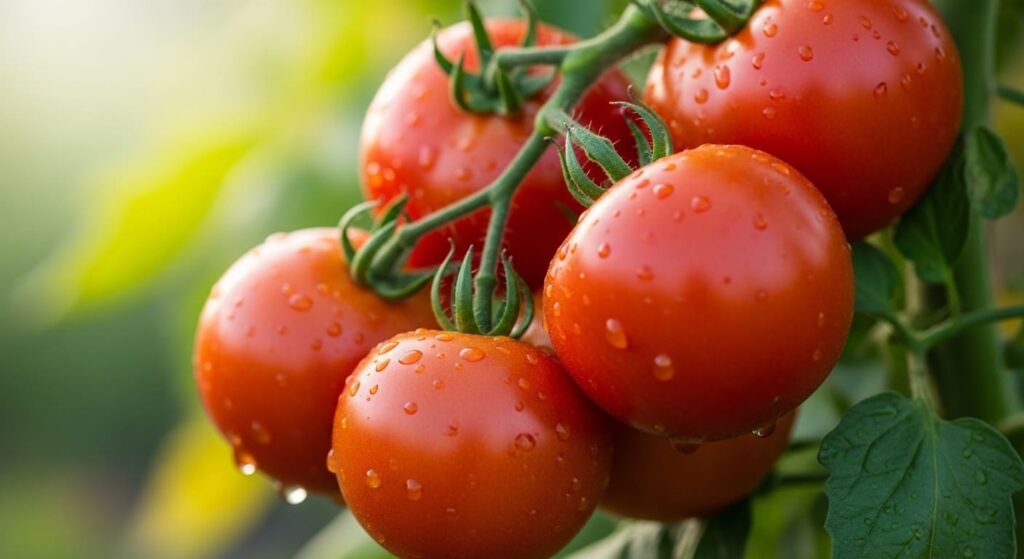
12. Tomatoes (Lycopene-Rich Superfood)
Tomatoes are high in:
- Vitamin C
- Potassium
- Lycopene
Lycopene is a powerful antioxidant that reduces inflammation and may lower cancer risk.
Cooking tomatoes with olive oil increases lycopene absorption.
13. Cherries (Natural Recovery Fruit)
Both sweet and tart cherries contain:
- Anthocyanins
- Catechins
These compounds reduce inflammation and may lower CRP levels.
Tart cherry juice has been studied for:
- Joint pain relief
- Muscle recovery
- Improved sleep quality
Foods That Increase Inflammation
To reduce inflammation effectively, limit:
- Processed foods (chips, fast food)
- Refined carbohydrates (white bread, white rice)
- Fried foods
- Sugary drinks
- Processed meats (bacon, hot dogs, deli meats)
Occasional consumption is fine—but focus on a whole-food, nutrient-dense diet.
Final Thoughts: Build an Anti-Inflammatory Diet
Even low-grade chronic inflammation can increase disease risk over time.
To support your body naturally:
- Eat a variety of colorful fruits and vegetables
- Include fatty fish twice per week
- Cook with extra virgin olive oil
- Add turmeric and spices regularly
- Choose minimally processed foods
An anti-inflammatory diet isn’t about restriction—it’s about filling your plate with healing, nutrient-rich foods that work with your body, not against it.