
Tennis is one of the most globally celebrated sports, with a structured calendar that spans continents, surfaces, and competitive formats. From the historic prestige of Grand Slams to high-stakes team competitions and developmental circuits, global tennis events form a dynamic ecosystem that tests skill, endurance, and adaptability. This guide explores the full landscape of professional tennis in detail.
🏆 Grand Slam Tournaments: The Pinnacle of Tennis
At the top of the tennis hierarchy are the four Grand Slam tournaments—organized by the International Tennis Federation—offering the highest ranking points (2000), maximum prize money, and unmatched prestige.
1. Australian Open (January – Melbourne, Australia)
Played on hard courts at Melbourne Park, this tournament opens the tennis season. Known for extreme summer heat, it tests players’ physical endurance. The surface promotes aggressive baseline play and fast rallies. It was also the first Slam to introduce a final-set tiebreak.
2. French Open (May–June – Paris, France)
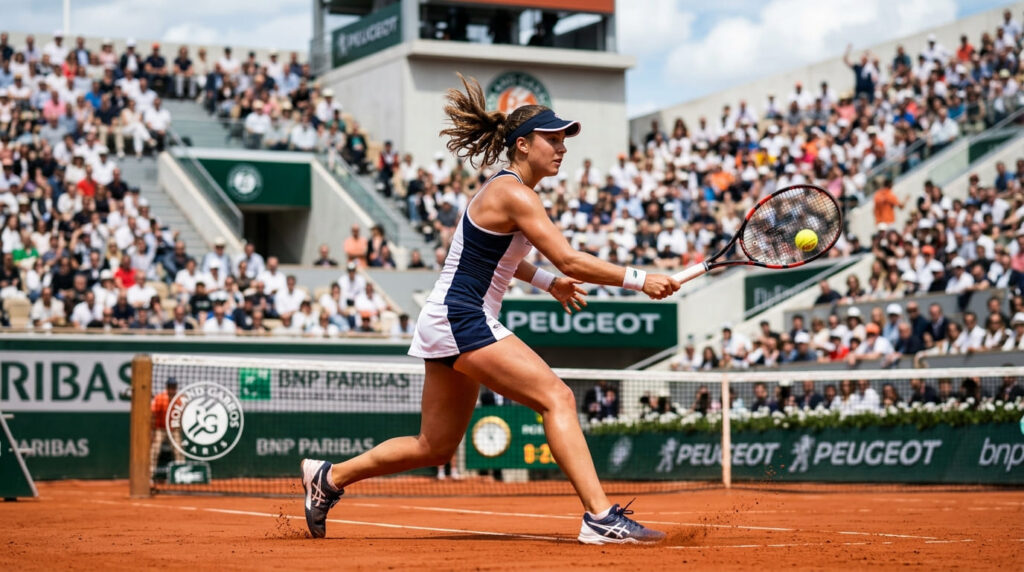
The only Grand Slam played on clay courts, Roland Garros is widely regarded as the most physically demanding tournament. Clay slows the ball and produces high bounces, favoring heavy topspin and long rallies. Sliding and stamina are critical skills here.
3. Wimbledon (June–July – London, UK)
The oldest tennis tournament (est. 1877), Wimbledon is synonymous with tradition. Matches are played on grass courts, which produce low, fast bounces. Players wear all-white attire, and matches feature unique customs like no play on Middle Sunday (historically).
4. US Open (August–September – New York, USA)
Held at the USTA Billie Jean King National Tennis Center, the US Open is famous for its electrifying atmosphere. It features night matches, loud crowds, and a hard-court surface that balances speed and control. It was the first Slam to use tiebreaks in final sets.
🎾 ATP Tour: The Men’s Professional Circuit
The ATP Tour governs elite men’s tennis. Players earn ranking points throughout the season to qualify for major tournaments.
ATP Masters 1000
These are the most prestigious tournaments after the Grand Slams, offering 1000 ranking points to winners. Key events include:
- Indian Wells (USA)
- Miami Open (USA)
- Monte Carlo Masters (Monaco)
- Madrid Open (Spain)
- Italian Open (Rome)
- Canadian Open
- Cincinnati Masters
- Shanghai Masters
- Paris Masters
Each event features top-ranked players and varying surfaces (hard and clay), making adaptability essential.
ATP 500 & ATP 250
These tiers provide opportunities for ranking progression and include tournaments in cities like Dubai, Barcelona, Doha, and Sydney. Though smaller, they are critical for consistency and seeding.
ATP Finals
The season-ending championship featuring the top 8 players in the world. It uses a round-robin format followed by knockout rounds, making it tactically unique.
🌸 WTA Tour: The Women’s Professional Circuit
The WTA Tour organizes women’s tennis with a structure parallel to the ATP.
WTA 1000, 500, 250 Events
These tournaments mirror ATP tiers and are hosted globally. Major stops include Doha, Beijing, and Rome.
WTA Finals
The top 8 singles players and doubles teams compete in a round-robin format. It is one of the most prestigious events in women’s tennis outside the Grand Slams.
🌍 Team Competitions: Country vs Country
Davis Cup
Often called the “World Cup of Tennis,” this men’s team competition allows nations to compete in a knockout format. Matches include singles and doubles, and national pride is a major driving force.
Billie Jean King Cup
The women’s equivalent of the Davis Cup, featuring national teams competing annually. It was renamed to honor tennis legend Billie Jean King.
Hopman Cup
A unique mixed-gender event where male and female players represent their countries together. It emphasizes teamwork across genders.
🥇 Olympic Tennis
Tennis is a major event in the Summer Olympics, held every four years. Unlike other tournaments, players compete for national medals rather than prize money or ranking points. Events include singles, doubles, and mixed doubles.
🌱 Junior and Development Circuits
Future stars begin their journey in junior competitions:
- Junior Grand Slams (held alongside main Slams)
- ITF Junior Circuit
These events are essential for skill development and global exposure.
🎉 Exhibition & Special Events
Laver Cup
A team-based event featuring Team Europe vs Team World, inspired by Rod Laver. It blends competition with entertainment and fan engagement.
Mubadala World Tennis Championship
A pre-season exhibition in Abu Dhabi where top players prepare for the upcoming season.
🔄 Surfaces and Playing Styles
Global tennis events are played across three main surfaces:
- Hard Courts – Balanced speed and bounce (Australian Open, US Open)
- Clay Courts – Slow, high bounce, physically demanding (French Open)
- Grass Courts – Fast, low bounce, favors serve-and-volley (Wimbledon)
Each surface requires different strategies, making versatility a hallmark of great players.
🌐 Conclusion
Global tennis events form a rich, interconnected system that spans elite competition, national pride, and player development. From the intensity of Grand Slams to the strategy of team events and the promise of junior circuits, tennis offers a year-round spectacle that captivates millions worldwide. Understanding these tournaments not only enhances appreciation of the sport but also reveals the immense dedication required to succeed at the highest level.
✍️ This detailed overview is ideal for readers seeking a deep understanding of how global tennis operates—from grassroots to greatness.