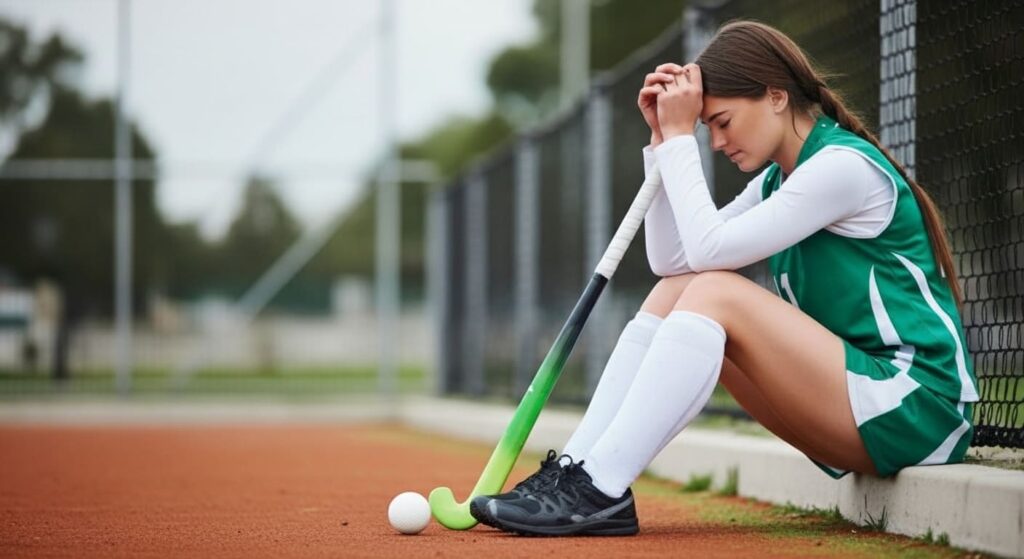

Mental strength is one of the most decisive factors in athletic success. Physical ability alone cannot guarantee consistent performance under pressure. Elite athletes train their minds with the same discipline used for physical conditioning. Effective mental training improves focus, confidence, emotional control, and resilience during competition.
This guide explains the most effective mental training techniques athletes use to maximize performance.
Why Mental Training Matters in Sports
Athletic performance depends on both physical and psychological readiness. Stress, fear of failure, distractions, and pressure can reduce performance even in highly trained athletes.
Mental training helps athletes:
- Maintain focus during competition
- Control anxiety and pressure
- Improve confidence and motivation
- Recover quickly from mistakes
- Develop consistency in performance
Research in Sports Psychology shows that athletes who train their mental skills perform better under competitive pressure.
1. Goal Setting
Goal setting creates clear direction and measurable progress. Athletes who define structured goals stay motivated and focused during training.
Types of Goals
Outcome Goals
Focus on the final result.
Example: winning a championship.
Performance Goals
Focus on measurable improvement.
Example: improving sprint time by 0.3 seconds.
Process Goals
Focus on actions during training.
Example: maintaining proper running form.
SMART Goal Framework
Goals should be:
- Specific
- Measurable
- Achievable
- Relevant
- Time-based
Example:
Improve vertical jump by 5 cm within 8 weeks.
Clear goals strengthen commitment and provide motivation during difficult training periods.
2. Visualization (Mental Imagery)
Visualization is one of the most powerful mental training tools used by elite athletes. It involves mentally rehearsing movements, strategies, and successful outcomes.
During visualization, athletes imagine:
- The environment of competition
- Correct technique execution
- Successful performance outcomes
The brain processes imagined actions similarly to real physical movements. This strengthens neural pathways involved in performance.
Visualization improves:
- Skill execution
- Confidence
- Reaction speed
- Tactical awareness
Daily visualization sessions lasting 5–10 minutes can significantly enhance performance.
3. Positive Self-Talk
Internal dialogue strongly influences performance. Negative thoughts create doubt and reduce focus.
Positive self-talk helps athletes maintain confidence and control emotions during competition.
Examples of Positive Self-Talk
Negative Thought:
“I’m going to fail.”
Positive Replacement:
“I am prepared and ready.”
Negative Thought:
“I can’t handle the pressure.”
Positive Replacement:
“I perform well under pressure.”
Consistent positive self-talk improves mental resilience and helps athletes recover quickly from mistakes.
4. Mindfulness and Focus Training
Mindfulness trains athletes to stay fully present during competition. Many athletes lose performance due to distractions, crowd noise, or pressure.
Mindfulness techniques improve:
- Concentration
- Emotional control
- Reaction speed
- Awareness of body movements
Common mindfulness practices include:
- Controlled breathing
- Focused attention exercises
- Meditation sessions
Regular mindfulness training strengthens mental clarity and reduces performance anxiety.
5. Breathing Control Techniques
Controlled breathing helps regulate the nervous system and reduce stress during competition.
Athletes often use breathing techniques before or during competition to maintain calmness.
Simple Performance Breathing Method
- Inhale slowly for 4 seconds
- Hold for 2 seconds
- Exhale slowly for 6 seconds
This technique lowers heart rate and stabilizes emotional responses.
Breathing control is especially useful before high-pressure moments such as penalty kicks, free throws, or race starts.
6. Pre-Performance Routines
A pre-performance routine prepares athletes mentally and physically before competition.
These routines create consistency and reduce anxiety.
Examples include:
- Specific warm-up sequence
- Mental visualization
- Breathing exercises
- Listening to music
- Repeating motivational phrases
Consistent routines signal the brain that it is time to perform. Many elite athletes rely on strict routines before every competition.
7. Emotional Regulation
Athletes experience intense emotions during competition. Learning to manage these emotions prevents performance decline.
Emotional regulation strategies include:
- Recognizing emotional triggers
- Reframing negative situations
- Refocusing attention on controllable factors
For example, after making a mistake, athletes can immediately redirect focus to the next play instead of dwelling on the error.
8. Confidence Building
Confidence directly impacts performance quality. Athletes with strong self-belief execute skills more effectively.
Confidence can be built through:
- Consistent training progress
- Reviewing past successes
- Positive feedback from coaches
- Mental rehearsal of successful performance
Confidence grows when athletes repeatedly experience successful execution during training.
9. Stress and Pressure Management
Competitive environments create intense pressure. Athletes must learn to treat pressure as a challenge rather than a threat.
Effective stress management techniques include:
- Visualization of pressure situations
- Simulated competition during training
- Relaxation exercises
- Mental reframing
Athletes who regularly practice under simulated pressure adapt better during real competitions.
10. Reflection and Performance Analysis
After training or competition, athletes should evaluate their performance.
Reflection helps identify:
- Strengths
- Technical errors
- Mental mistakes
- Improvement opportunities
Athletes can keep a performance journal to track progress and mental patterns.
Structured reflection turns every competition into a learning experience.
Daily Mental Training Routine for Athletes
A simple daily mental training schedule may include:
Morning
- 5 minutes visualization
- Review performance goals
Before Training
- Breathing exercises
- Positive self-talk
After Training
- Performance reflection
- Note improvements and challenges
Consistent mental practice produces long-term performance gains.
Final Thoughts
Mental training is essential for athletic excellence. Physical conditioning develops strength and endurance, but psychological preparation determines how effectively those abilities are used under pressure.
Athletes who train their minds develop stronger focus, greater confidence, and superior competitive resilience. Integrating mental training techniques into daily practice allows athletes to unlock their full performance potential.