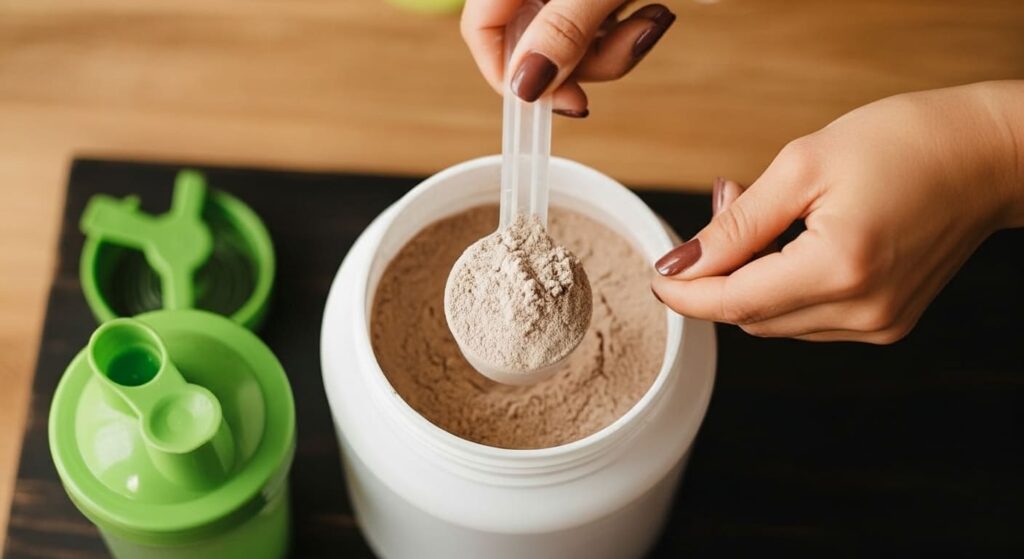

High-protein diets are among the most popular weight loss strategies today. From low-carb plans to extreme approaches like the carnivore diet, protein-focused eating has gained massive attention for its ability to promote fast fat loss and reduce hunger.
But the real question is:
Are high-protein diets safe for weight loss — especially long term?
In this detailed, SEO-optimized guide, we’ll explore the benefits, potential risks, and how to follow a high-protein diet safely and effectively.
What Is a High-Protein Diet?
A high-protein diet increases protein intake above standard dietary recommendations, often reducing carbohydrates or fats in the process.
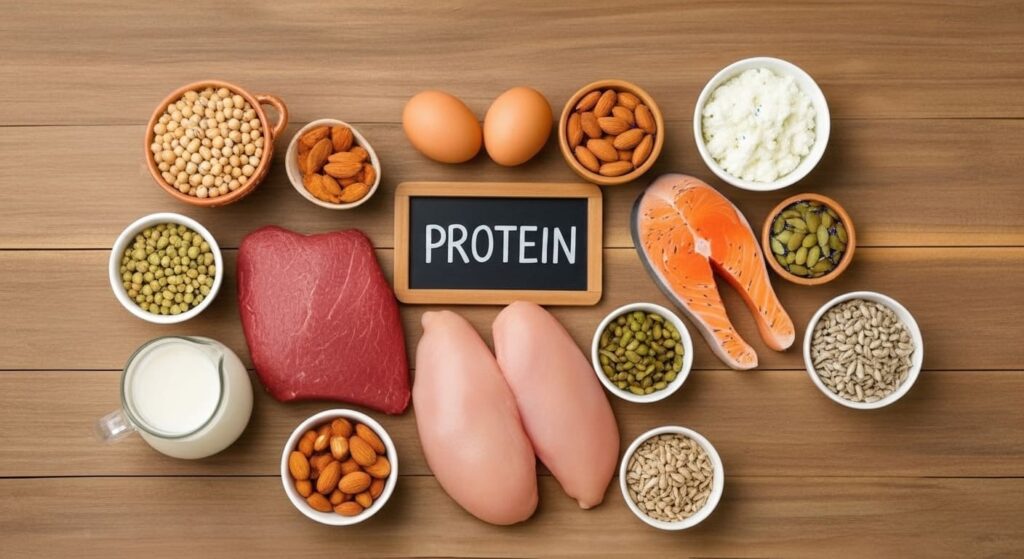
Protein-rich foods may include:
- Lean meats
- Fish
- Eggs
- Dairy
- Legumes
- Soy
- Nuts and seeds
Some diets are balanced and include all food groups. Others are highly restrictive, such as the Carnivore Diet, which eliminates nearly all carbohydrates in favor of animal-based foods.
The safety of a high-protein diet depends largely on how it’s structured.
Why High-Protein Diets Help With Weight Loss
High-protein diets can be effective for short-term weight loss for several reasons:
1. Increased Satiety (You Feel Fuller Longer)
Protein reduces hunger hormones and increases fullness hormones. This naturally lowers calorie intake without strict portion control.
2. Higher Thermic Effect
Your body burns more calories digesting protein compared to carbs or fat. This slightly boosts metabolism.
3. Muscle Preservation
When losing weight, adequate protein helps preserve lean muscle mass — which supports a healthy metabolism.
4. Reduced Cravings
Protein stabilizes blood sugar levels, helping reduce energy crashes and food cravings.
Because of these effects, many people experience noticeable weight loss during the first few months of a high-protein diet.
Are High-Protein Diets Safe Long-Term?
For healthy individuals, moderate high-protein diets are generally considered safe.
However, potential concerns arise when the diet is:
- Extremely restrictive
- Very low in carbohydrates
- High in saturated fats
- Followed long term without balance
Researchers are still studying the long-term impact of very low-carb, high-protein diets.
Let’s look at the possible risks.
Potential Risks of High-Protein Diets
1. Nutrient and Fiber Deficiency
Very low-carb, high-protein diets may eliminate:
- Whole grains
- Fruits
- Many vegetables
This can lead to:
- Constipation
- Headaches
- Bad breath (ketone-related)
- Low fiber intake
- Micronutrient deficiencies
Fiber is critical for gut health, cholesterol control, and blood sugar regulation. Cutting too many carbs often means cutting fiber.
2. Heart Health Concerns
Some high-protein diets allow frequent consumption of:
- Red meat
- Processed meats (bacon, sausage, deli meats)
- Foods high in saturated fat
Excess intake of these foods may:
- Increase LDL (“bad”) cholesterol
- Raise heart disease risk
- Promote inflammation
The issue is not protein itself — it’s the source of the protein.

3. Kidney Function in Vulnerable Individuals
For healthy people, high-protein diets do not appear to damage kidneys.
However, individuals with existing kidney disease may experience worsening kidney function. The kidneys must process nitrogen waste produced when protein is broken down. If kidney function is already impaired, excess protein can increase strain.
Anyone with kidney disease, diabetes, or chronic conditions should consult a healthcare provider before starting a high-protein plan.
Is the Carnivore Diet Safe?
The Carnivore Diet is one of the most extreme high-protein diets.
It eliminates:
- Fruits
- Vegetables
- Whole grains
- Legumes
While some people report short-term weight loss, the long-term safety remains unclear due to:
- Lack of fiber
- Limited phytonutrients
- High saturated fat intake
- Absence of dietary variety
Most experts recommend a more balanced approach instead of complete carbohydrate elimination.
How to Follow a High-Protein Diet Safely
If you want to lose weight using a high-protein diet, choose nutrient-dense protein sources and maintain balance.
Best Healthy Protein Choices:
- Soy protein
- Beans and lentils
- Nuts and seeds
- Fish
- Skinless chicken
- Lean beef or pork
- Low-fat dairy
- Egg whites
What to Limit:
- Processed meats
- Excess red meat
- Fried protein sources
- High-sodium packaged foods
What Is the Ideal Protein Intake for Weight Loss?
For weight loss, research often suggests:
- 1.2–1.6 grams of protein per kilogram of body weight per day
This is higher than the standard minimum recommendation but still within safe limits for healthy individuals.
More is not always better. Extremely high protein intake offers no additional fat-loss advantage and may reduce diet quality.
The Bottom Line: Are High-Protein Diets Safe?
High-protein diets can be:
✅ Effective for short-term weight loss
✅ Helpful for controlling appetite
✅ Beneficial for preserving muscle
But they should be:
- Balanced
- Nutrient-rich
- Moderate rather than extreme
- Tailored to your health status
For most healthy adults, a well-planned high-protein diet is safe. However, long-term restrictive plans that severely limit carbohydrates or rely heavily on processed meats may increase health risks.
Before You Start
Always speak with a healthcare provider before beginning any weight-loss plan — especially if you have:
- Kidney disease
- Diabetes
- Heart disease
- Other chronic health conditions
A sustainable, balanced eating pattern is always more effective than extreme dieting.